Selling in Ambler can move fast, but a fast market does not mean you can skip the details. Buyers often make decisions within minutes of seeing photos or stepping through the front door, and in a borough with older homes and strong character, presentation and pricing need to work together. If you are getting ready to sell, a smart prep plan can help your home show its best without wasting time or money. Let’s dive in.
Start With Ambler’s Market Reality
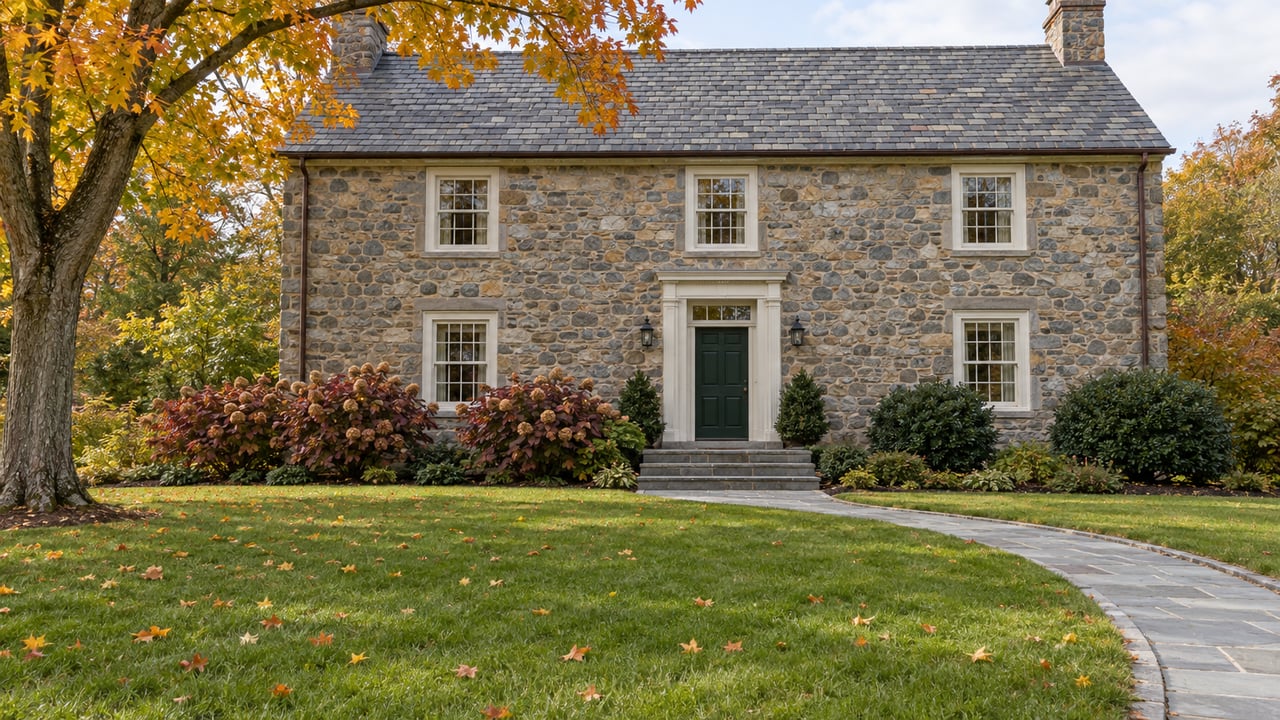
Ambler offers a mix of walkable streets, historic buildings, and established residential blocks that give the borough a distinct feel. Borough planning materials also note that 38% of residential structures were built before 1939, which means many sellers are working with original details, older layouts, and systems in varying condition.
That is important because buyers in Ambler are not always looking for a fully redesigned home. In many cases, the better strategy is to clean, repair, and simplify so the home feels well cared for and its character comes through clearly.
Current market data also supports a thoughtful launch. Zillow reported an average Ambler home value of $710,701 as of June 30, 2026, with homes going pending in around 5 days, while Redfin reported a median sale price of $558,166 over the three months ending May 2026, with homes getting 3 offers on average and a median of 24 days on market.
The takeaway is simple: prep matters, and price matters too. A polished home can attract attention quickly, but strong presentation works best when the price matches the home’s condition and the current market.
Handle Disclosures and Local Requirements Early
Before you focus on paint colors or porch plants, take care of the items that can affect your sale process. In Pennsylvania, sellers must disclose known material defects, and the signed, dated disclosure must be delivered before the agreement of transfer is signed.
That means cosmetic work should never be used to hide deferred maintenance or system concerns. If you know about roof issues, plumbing leaks, foundation concerns, or mechanical problems, honest disclosure is part of preparing your home for sale.
Ambler also has local permit and resale logistics that are worth checking early. The borough lists permits for common projects such as roofing, fences, plumbing and mechanical work, curb or sidewalk work, patios, rehabbing existing buildings, demolition, and temporary pods or dumpsters.
The borough also includes a Residential Resale Use and Occupancy Application for residential resale of property in the borough. If you are planning repairs, a major clean-out, or exterior touch-ups before listing, it is wise to verify local requirements at the start rather than scrambling later.
Focus on High-Impact Prep First
You do not need to remodel every room to sell well in Ambler. The most effective pre-listing work is usually practical, visible, and tied to how buyers experience the home in person and online.
NAR’s staging guidance and 2025 staging data support a simple approach: declutter, clean thoroughly, fix the small things, and help each room read clearly. Living rooms, primary bedrooms, and dining rooms tend to matter most in staging, and buyers respond best when spaces feel open, neutral, and easy to understand.
Here are the priorities that usually deliver the most value.
Improve Curb Appeal and Entry
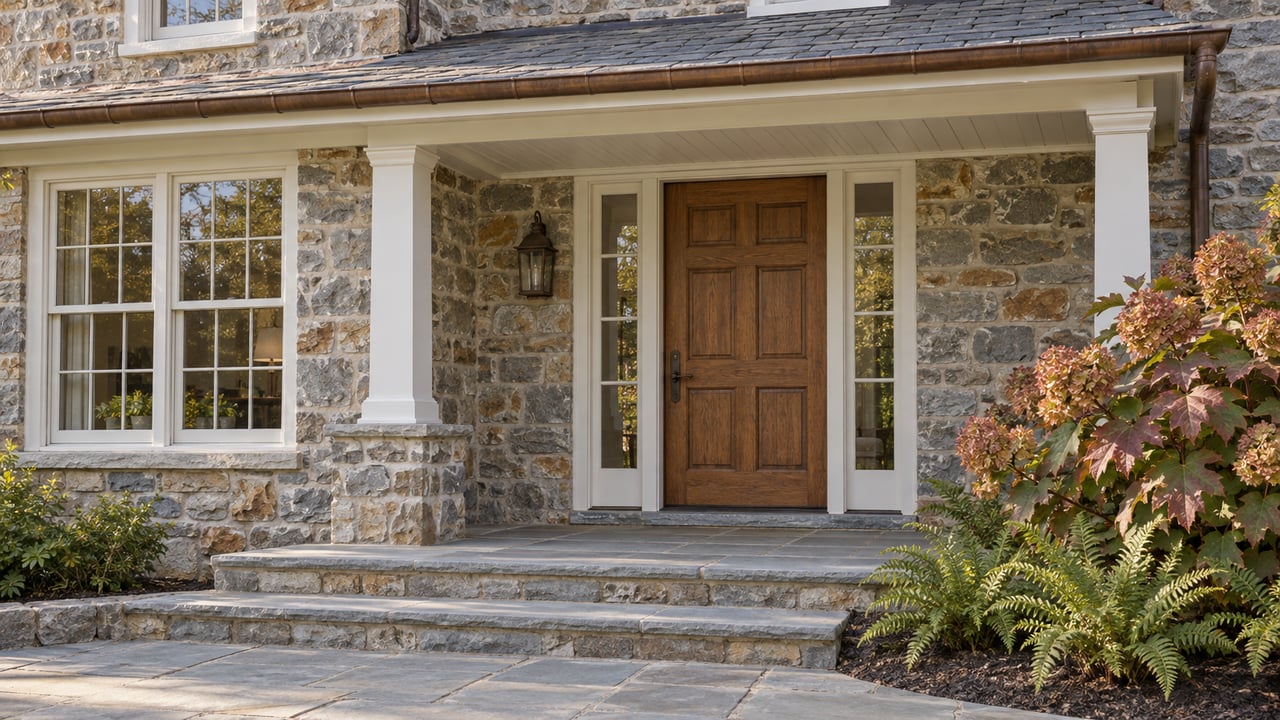
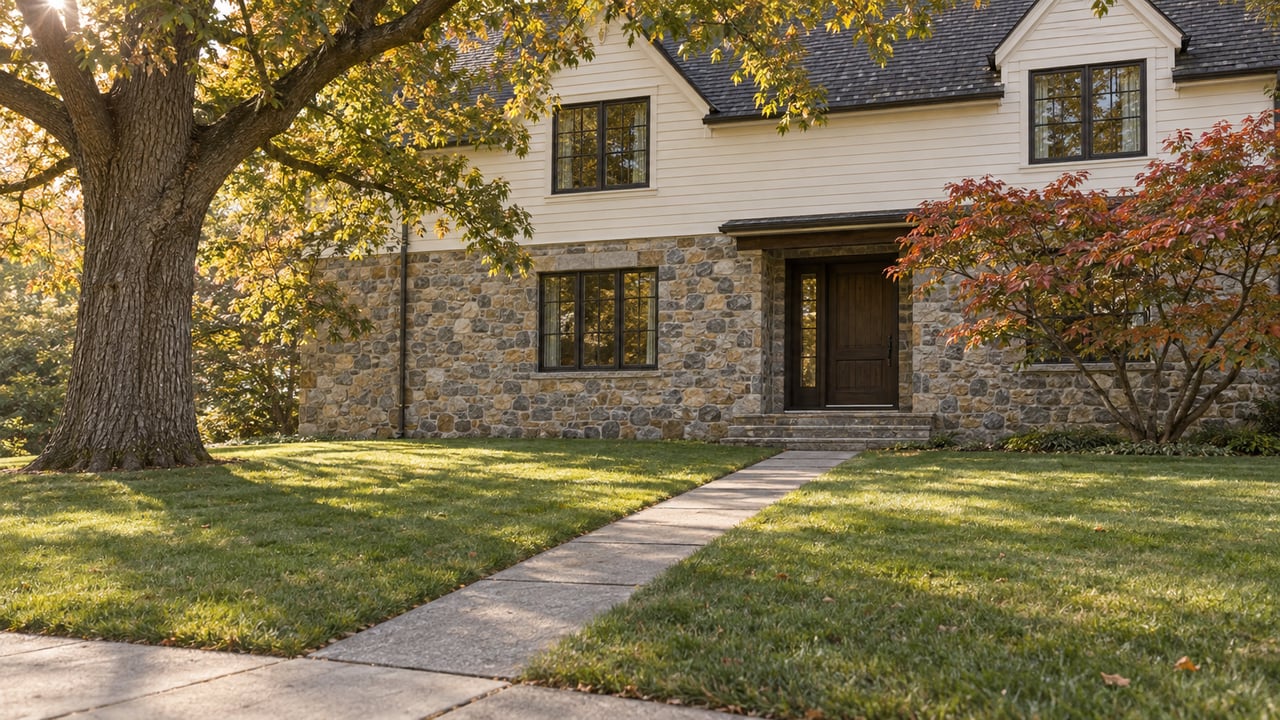
Your front approach shapes the first impression for both listing photos and in-person showings. In Ambler, that often means highlighting the home’s original exterior features instead of covering them up.
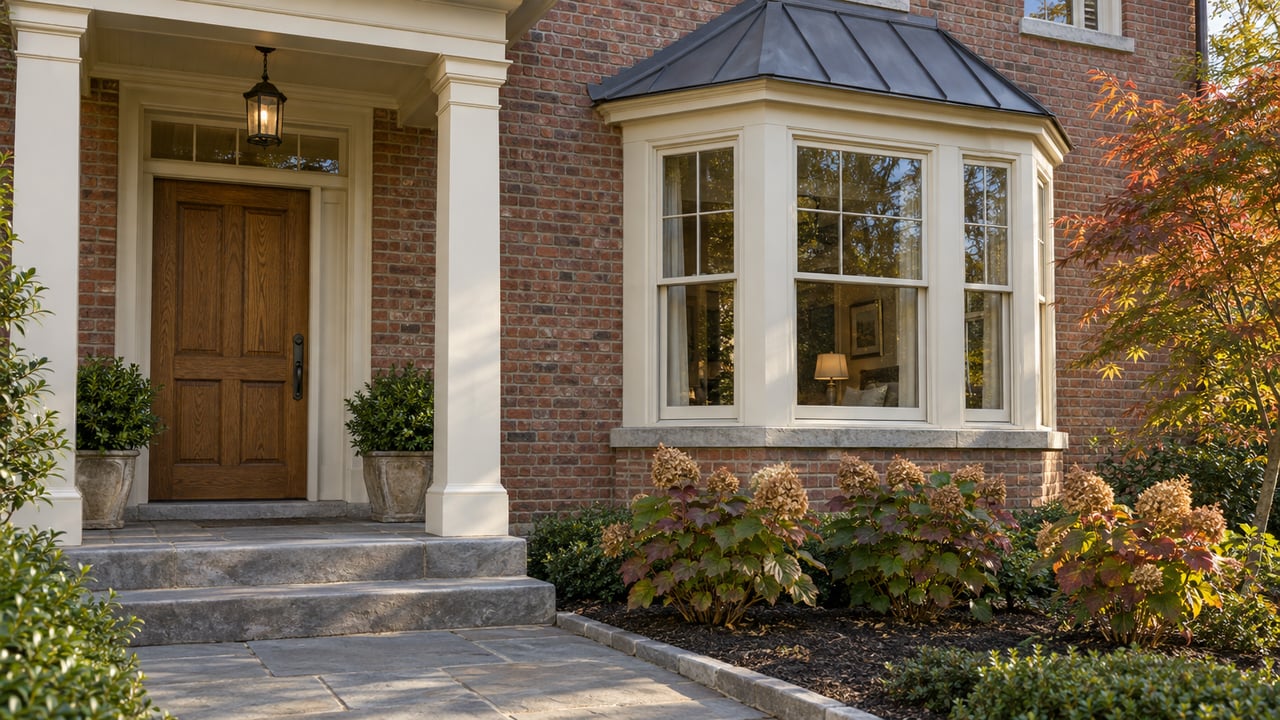
Start with a clean path to the front door. Sweep the porch, tidy landscaping, remove dead plants, and simplify outdoor furniture or decor so the architecture stands out.
A fresh doormat, manicured plantings, and a few small potted plants can help the entry feel inviting. If your home has a porch, older trim, brickwork, or original details, focus on making those features look clean and intentional.
Open Up Main Living Spaces
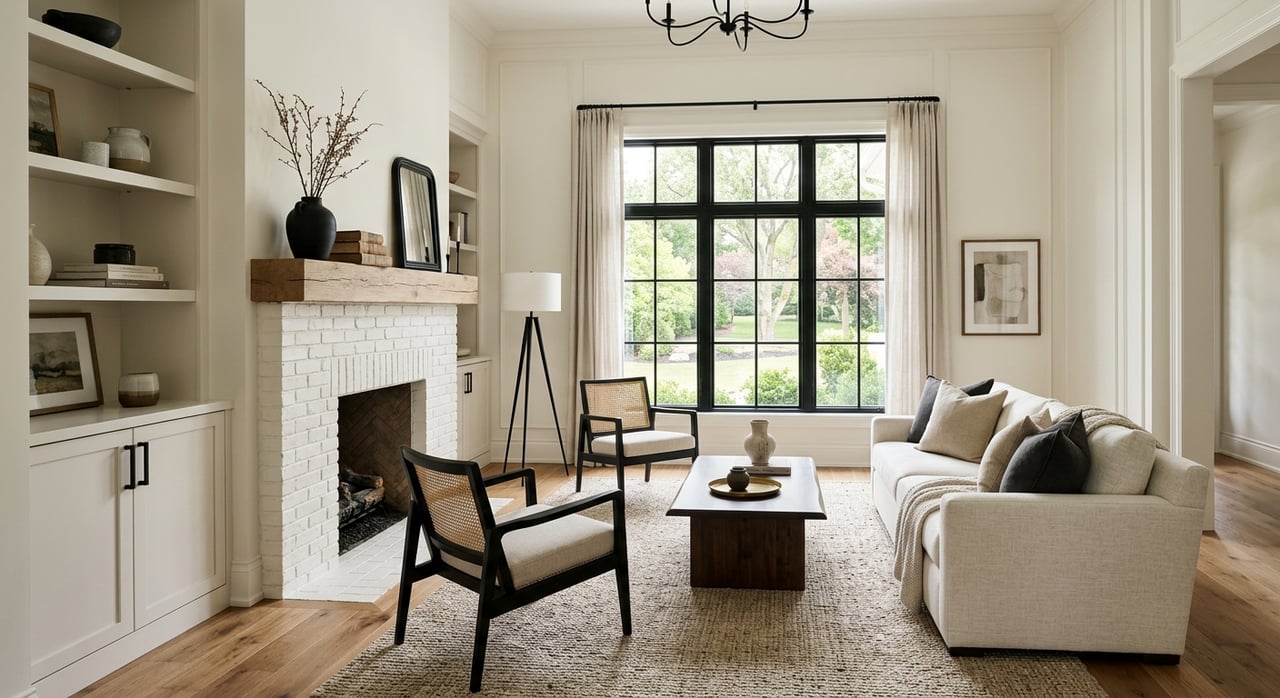
The living room is the top staging priority, according to NAR’s 2025 Profile of Home Staging. That makes sense because it is one of the first spaces buyers use to judge comfort, scale, and flow.
Remove extra furniture so the room feels easier to move through. If traffic flow is awkward, reposition pieces to create a clearer path and let windows, fireplaces, or built-ins become the focal points.
Dining rooms and connecting hallways should get the same treatment. Too many accessories, oversized furniture, or packed corners can make an otherwise attractive home feel smaller than it is.
If paint is tired or too personalized, neutral colors can help brighten the space and make photos cleaner. The goal is not to erase personality completely. It is to make it easier for buyers to picture their own routines in the home.
Refresh Kitchens and Baths
Kitchens and bathrooms do not always need major renovation before a sale. More often, they need to look clean, maintained, and move-in ready.
Deep cleaning is the first step. Pay attention to grout, caulk, sinks, faucets, appliance fronts, mirrors, and lighting, since these details stand out quickly in both photos and showings.
Clear counters as much as possible. In bathrooms, remove most daily-use items from vanities and keep fresh towels out for showings.
If something small looks worn, such as old caulk or a loose fixture, it is usually worth fixing. These low-cost improvements can help the room feel more cared for without pushing you into a full renovation.
Simplify Bedrooms and Closets
Bedrooms should feel calm, light, and spacious. Fresh bedding, fewer personal items, and cleaner surfaces can make a big difference.
Pack away family photos, off-season clothing, and anything that creates visual noise. In older Ambler homes, bedroom sizes and closet space can vary, so it is especially important to make storage look usable.
Try to keep closets about half full rather than packed tight. Buyers notice storage quickly, and an overstuffed closet can suggest the home lacks enough space even when that is not really the case.
Organize Basements, Attics, and Garages
These spaces often become catch-all zones while you are still living in the home. Before listing, they should read as functional storage and flexible utility space, not overflow.
Group stored items neatly, label boxes if needed, and remove anything that feels broken, abandoned, or excessive. If the area is too full, consider moving some belongings off-site so the space feels easier to understand.
This step matters for photos too. A tidy basement or garage supports the impression that the home has been maintained, while a crowded one can distract buyers from the home’s strengths.
Preserve Character Where It Helps
Because Ambler places value on its historic buildings and streetscapes, sellers should think carefully before replacing older features just to make the home feel newer. Original millwork, porches, wood floors, and other period details can be a real asset when they are in good condition.
In many cases, cleaning, repairing, and brightening those features is more effective than stripping away character. Buyers often respond well to homes that feel authentic and cared for.
That does not mean every old feature adds value. It means the best return often comes from selective improvement, not automatic replacement.
Stage for Photos, Not Just Showings
Today’s listing launch starts online. NAR reports that 81% of buyers rated listing photos as the most useful feature during their online home search, so your home needs to look strong on camera before the first showing is scheduled.
That is why prep should be finished before photography takes place. Clean surfaces, balanced furniture placement, open window coverings, and strong natural light all help rooms photograph better.
NAR also reports that 83% of buyers’ agents said staging makes it easier for buyers to visualize a property as their future home, 29% of agents said staging increased the dollar value offered by 1% to 10%, and 49% of sellers’ agents said staging reduced time on market.
If a vacant room feels hard to read, virtual staging may be an option. But if photo enhancements materially alter the property, those changes should be disclosed so marketing remains accurate.
Pair Preparation With Smart Pricing
One of the biggest mistakes sellers make is treating prep and pricing as separate decisions. In reality, they work together.
A clean, well-staged home creates stronger first impressions and can support buyer confidence. But even excellent presentation may not overcome a price that is too aggressive for the home’s condition, size, or updates.
In a market like Ambler, where homes can move quickly and competition still matters, the best results usually come from a disciplined launch plan. That means preparing the home thoughtfully, photographing it well, and pricing it in line with what buyers are actually comparing.
This is where experienced guidance matters. A strong pricing strategy should reflect the home’s location, condition, architecture, and timing, not just the highest recent sale you have seen.
Build a Simple Pre-Listing Checklist
If you want to stay organized, keep your prep focused on the items that most affect buyer perception and sale timing.
- Complete seller disclosures honestly and early
- Check Ambler permit or resale requirements for planned work
- Declutter main living areas, bedrooms, and storage spaces
- Deep clean the entire home
- Tackle small visible repairs
- Simplify decor and remove overly personal items
- Refresh paint where needed in neutral tones
- Improve curb appeal and entry presentation
- Finish staging before photography
- Align pricing with current condition and market reality
A steady, well-managed plan usually beats rushed last-minute work. The goal is to make buyers feel that the home has been cared for, presented clearly, and priced with purpose.
If you are preparing to sell in Ambler, expert guidance can make the process far more efficient. From pricing discipline and listing prep to photography coordination and a tightly managed timeline, Diane Reddington helps sellers launch with clarity and confidence.
FAQs
What should I fix before selling my Ambler home?
- Focus first on deep cleaning, decluttering, neutral paint, and small visible repairs rather than major remodeling.
Which rooms matter most when preparing an Ambler home for sale?
- The living room is the top staging priority, followed by the primary bedroom and dining spaces, with kitchens also needing to look clean and functional.
Do Pennsylvania sellers need to disclose problems with a home?
- Yes. Pennsylvania law requires sellers to disclose known material defects before the agreement of transfer is signed.
Do I need permits for pre-sale work in Ambler?
- Maybe. Ambler lists permits for several common projects, including roofing, plumbing, mechanical work, fences, curb or sidewalk work, and temporary pods or dumpsters.
Should I renovate an older Ambler home before listing it?
- Usually, selective repairs and cleanup are more effective than aggressive redesign, especially when original details add character and are in good condition.
Does staging really help an Ambler home sell?
- Yes. NAR’s 2025 staging data found that staging can help buyers visualize the home, may improve offers, and can reduce time on market.