If you are home shopping in Oreland, Flourtown, or Erdenheim, you will notice something quickly: these are not cookie-cutter new construction markets. Most homes in 19075 come from an earlier suburban era, which means style, layout, condition, and renovation potential all matter. If you understand the common home styles here, you can make smarter decisions about what fits your life now and what may need attention later. Let’s dive in.
Why home styles matter in 19075
Springfield Township describes much of the community as single-family detached housing built during the 1940s, 1950s, and 1960s. In Oreland, the area shifted from mining and farming into a residential suburb during the 20th century, while Erdenheim and Flourtown saw major postwar neighborhood growth.
That history still shapes what you see today. The local housing stock tends to offer established lots, mature streetscapes, and homes with character, but buyers are often comparing floor plans, updates, and maintenance needs more than brand-new finishes.
For added context, ACS 2024 5-year estimates for 19075 show 7,384 residents, a median household income of $120,813, and a median owner-occupied home value of $431,300. In a market like this, the best choice is often less about the label of the style and more about how the house lives on a daily basis.
Common home styles in Oreland, Flourtown, and Erdenheim
Springfield Township Historical Society notes that postwar neighborhoods here were designed with winding streets, sidewalks, consistent setbacks, similar lot sizes, landscaped yards, and attached garages. It also identifies Colonial, Cape Cod, and modern split-level homes as dominant local styles.
You may also come across ranch homes, especially when looking at one-floor living options from the same general era. Here is what each style typically offers.
Colonial homes
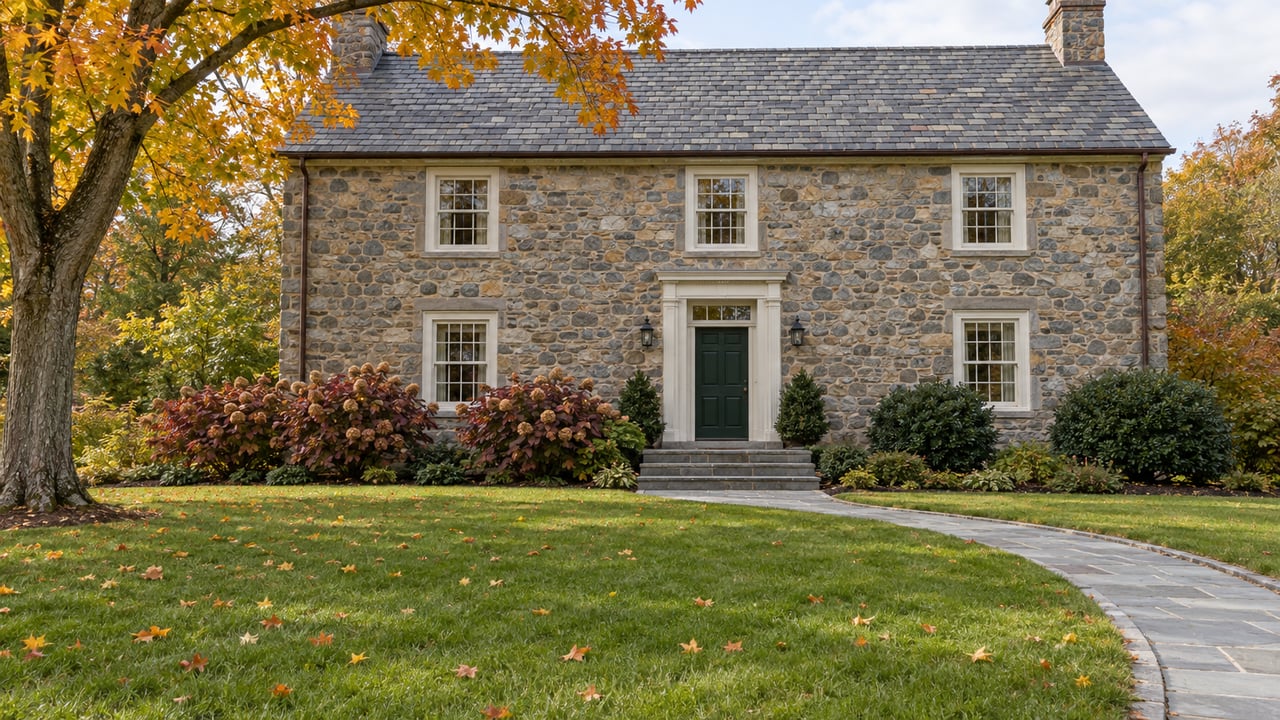
Colonial and Colonial Revival homes are a familiar part of the local mix. The National Park Service describes this style as symmetrical, with classical details, double-hung windows, and sometimes porches or pilasters.
In Oreland, a historic example known as Enfield Homes from around 1946 was marketed as Colonial and featured deep front lawns, hardwood floors, tile baths, fireplaces, and attached garages. In practical terms, many buyers are drawn to Colonials for their traditional layout and clearly separated living spaces.
That said, Colonials usually involve more stair use than a ranch. If you are thinking long term, it helps to weigh charm and room separation against ease of movement.
Cape Cod homes
Cape Cod homes are another important part of the 19075 story. The National Park Service describes them as one- or one-and-a-half-story side-gable homes with a compact footprint, especially common from the 1920s through the 1950s.
In Flourtown Gardens, built in 1957, Cape Cod models were among the original housing options. Buyers often appreciate these homes for their manageable size and classic appearance, but the compact layout can mean smaller rooms, less storage, or upper-level ceiling angles depending on the house.
If you want a home with a traditional look and a smaller footprint, a Cape may be worth a close look. You will want to pay special attention to how well the interior has been adapted for modern living.
Ranch homes
Ranch homes appeal to many buyers because of their one-story layout. The National Park Service describes ranch houses as long, shallow homes with low-pitched roofs, deep eaves, picture windows, sliding glass doors, attached garages, and stronger indoor-outdoor connections.
These homes often offer easy circulation, large living areas, and a layout that feels practical for everyday life. If one-floor living is high on your list, ranches are often the easiest style to live in day to day.
Because many ranch homes date to the same postwar decades as the rest of the area, condition can vary widely. A nicely updated ranch may feel very current, while an original one may need a more serious renovation plan.
Split-level homes
Split-level homes are a defining mid-century style in this market. Springfield Township Historical Society specifically notes modern split-level homes with low-slung roof lines in local postwar neighborhoods, and Flourtown Gardens included split-level models.
A split-level usually offers more separation between living spaces than a ranch. That can be helpful if you want distinct zones for living, recreation, work, or guests.
The tradeoff is stairs. If accessibility or aging in place is part of your decision, those level changes deserve careful thought.
How the three communities differ
While these areas share a lot of housing DNA, each has its own character.
Oreland housing character
Oreland has a layered housing history. Springfield Township notes that the area evolved from mining and farming into a residential suburb, and examples like Enfield Homes show how Colonial-style development took root in the mid-1940s.
As you tour homes here, you may see that blend of older suburban planning and postwar design. Deep lawns, traditional facades, and practical family layouts are common reference points.
Flourtown housing character
Flourtown is closely tied to postwar subdivision growth. Flourtown Gardens, developed in 1957 on 144 acres with 200 homes, included split-level and Cape Cod models and promoted features such as picture windows, outdoor terraces, and modern interior finishes.
That planned-neighborhood background helps explain why many Flourtown streets feel cohesive. If you like mid-century neighborhood design with a consistent visual rhythm, Flourtown may stand out.
Erdenheim housing character
Erdenheim offers a mix that can feel a little broader. Springfield Township says the area was laid out in 1892, but it also includes early postwar suburban development such as Chesney Downs in the late 1940s and Holiday at Paper Mill Glen in 1955.
For buyers, that can mean more variety. In the same general market, you may find both older historic resources and mid-century single-family streets.
What buyers should evaluate beyond style
A home’s style gives you clues, but it should not be the only thing driving your decision. In a mature market like 19075, condition, layout efficiency, lot usability, and quality of updates often matter more than whether the exterior reads as Colonial, Cape, ranch, or split-level.
That is especially true because many local homes still reflect original building eras in some way. Even attractive houses with strong curb appeal may have older windows, dated systems, or floor plans that need thoughtful evaluation.
Watch for original-era features
Local postwar materials mention steel or aluminum windows, metal cabinets, oil-fired equipment, hardwood floors, built-in garages, picture windows, and outdoor terraces. These features can add charm, but they can also signal the age of key systems and finishes.
When you walk through a home, look beyond paint color and staging. Ask how original features affect comfort, upkeep, energy use, and future renovation costs.
Understand renovation planning
Because much of the housing stock dates to the 1940s through the 1960s, many homes in this area were built before 1978. According to the EPA, pre-1978 homes are more likely to contain lead-based paint, and buyers of those homes are entitled to lead disclosures.
If renovation, repair, or painting work will disturb painted surfaces, lead-safe rules apply. That does not mean you should avoid older homes, but it does mean you should plan carefully and budget realistically.
Check for historic review issues
Some older homes may also involve an added layer of review. Springfield Township’s Historical Commission advises on exterior alteration, change of use, or demolition of historic resources in the township inventory.
If you are considering major exterior changes, it is smart to confirm whether the property is identified as a historic resource. That step can help you avoid surprises later.
Which style fits your lifestyle?
The best home style is the one that supports how you actually live. A beautiful exterior means less if the floor plan works against your daily routine.
Here is a simple way to think about it:
- Colonial: Good if you want a traditional layout with separate spaces.
- Cape Cod: Good if you want a compact home with classic curb appeal.
- Ranch: Good if one-floor living and easy circulation matter most.
- Split-level: Good if you want distinct living zones and a mid-century feel.
If you are a first-time buyer, it may help to focus on layout and condition first. If you are downsizing, stair use and maintenance demands may matter more. If you are planning a long-term move, renovation potential and resale flexibility should stay part of the conversation.
Why experienced guidance matters here
In Oreland, Flourtown, and Erdenheim, two homes with the same style can perform very differently in the market. One may be beautifully updated with a practical layout, while another may need major work behind the scenes.
That is why local context matters. You want to understand not just what style a home is, but how that style shows up in this specific part of Montgomery County and what buyers tend to value over time.
Whether you are buying your first home, moving up, or planning a sale, clear guidance can help you weigh condition, timing, pricing, and long-term fit with more confidence. If you want expert help evaluating homes in Oreland, Flourtown, or Erdenheim, connect with Diane Reddington.
FAQs
What home styles are most common in Oreland, Flourtown, and Erdenheim?
- The most common local styles include Colonial, Cape Cod, ranch, and split-level homes, with much of the housing stock built in the 1940s, 1950s, and 1960s.
What should buyers know about older homes in 19075?
- Many homes were built before 1978, so buyers should expect lead paint disclosures and plan carefully for any renovation work that disturbs painted surfaces.
What is the difference between Oreland and Flourtown home styles?
- Oreland reflects a more layered shift from farming and mining into suburban residential development, while Flourtown is strongly associated with planned postwar subdivision growth, including Cape Cod and split-level models.
Are ranch homes easier to live in than split-level homes in Springfield Township?
- Ranch homes usually offer easier day-to-day living because they are typically one story, while split-level homes include stairs and level changes.
Do historic homes in Erdenheim or Springfield Township face extra review?
- They can if the property is an identified historic resource in the township inventory, because the Historical Commission advises on certain exterior changes, changes of use, and demolition.