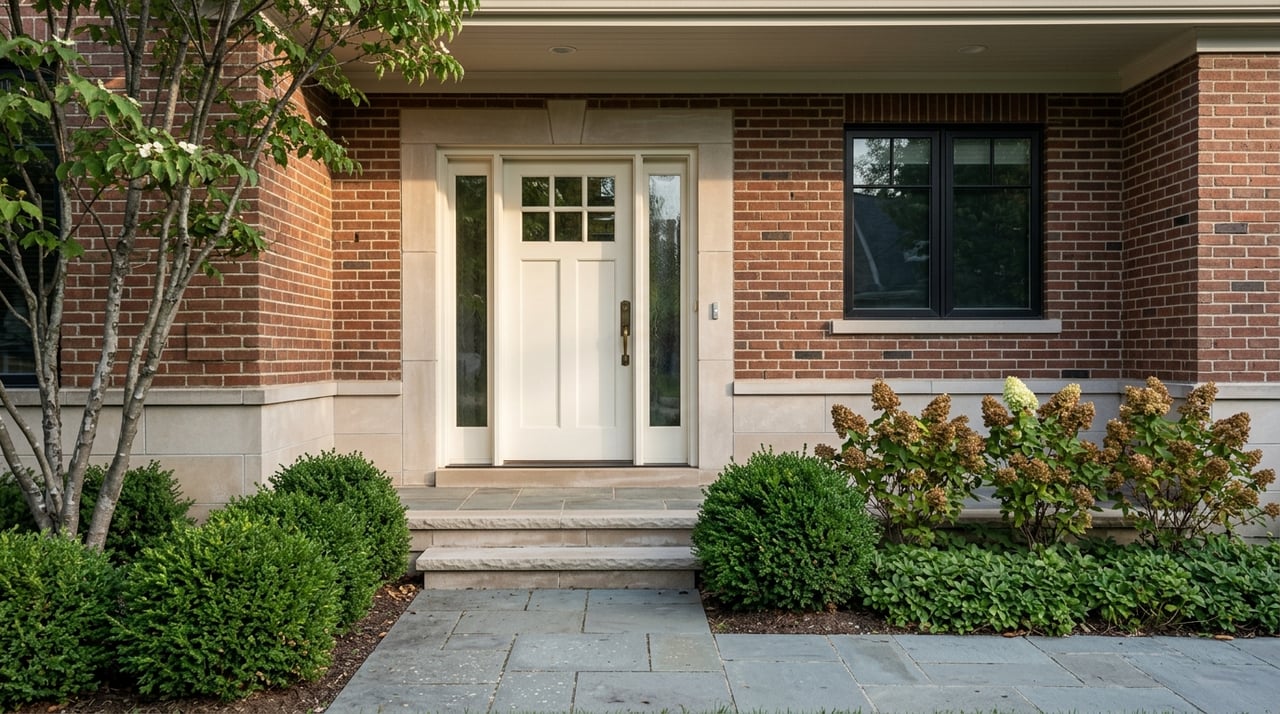
Selling a home in Oreland, Flourtown, or Erdenheim can feel straightforward at first, until the details start stacking up. Between pricing, repairs, township requirements, disclosures, photography, and timing, there is a lot to manage if you want a smooth sale and a strong result. The good news is that with the right plan, you can avoid common delays, present your home well, and enter the market with confidence. Let’s dive in.
Understand the local market first
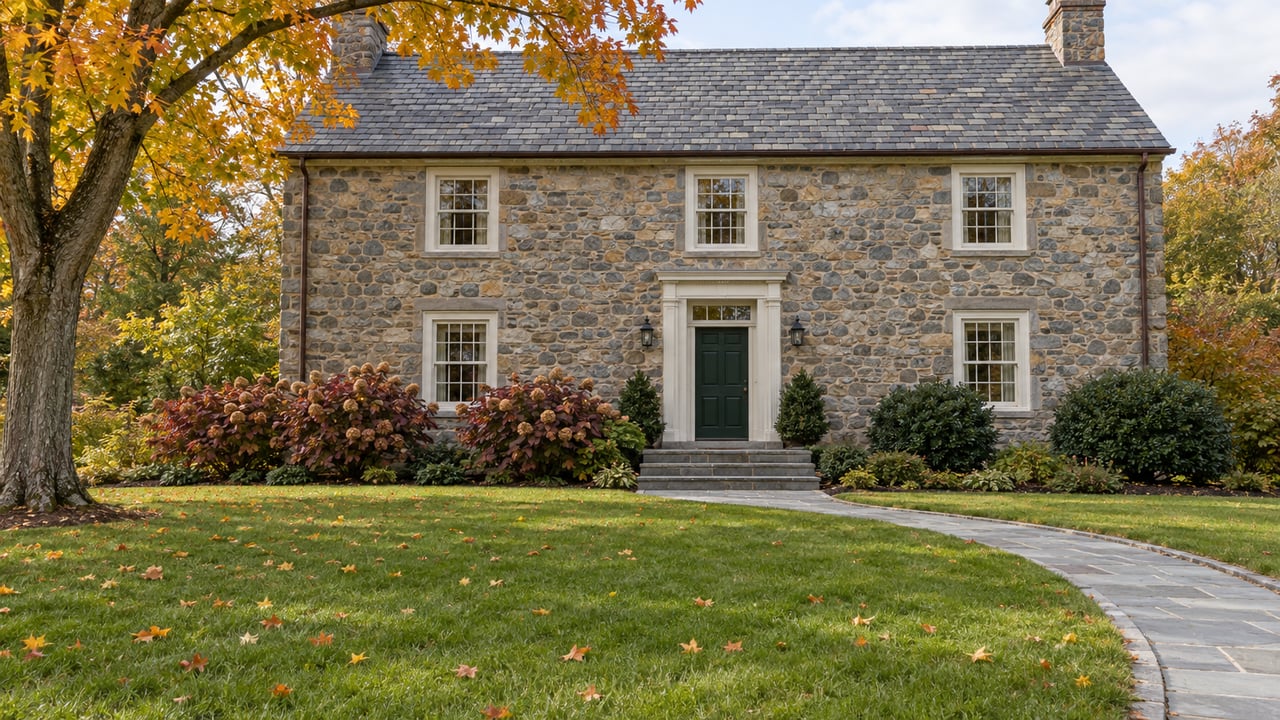
Oreland, Flourtown, and Erdenheim are all part of Springfield Township in southeastern Montgomery County. The township identifies Erdenheim and Flourtown as primary commercial corridors, while Oreland includes smaller industrial and residential pockets. Much of the local housing stock is made up of single-family detached homes built in the 1940s, 1950s, and 1960s, which often means sellers are working with older systems, long ownership histories, and homes that may need more preparation before listing.
That local context matters because this is not a market where you should rely on broad county averages alone. In April 2026, Montgomery County showed a median sale price of about $473,677, with homes selling in about 26 days and a 101.5% sale-to-list ratio. Realtor.com also showed a county median listing price of $499,900 and a balanced market reading, while the 19075 ZIP code posted a higher median listing price of $572,450, 13 active homes, and 35 median days on market.
The takeaway is simple: your pricing strategy should be based on a neighborhood-level comparative market analysis, not just county headlines. Buyers in 19075 are still active, but they are also selective. Condition, presentation, and price discipline all matter.
Price for today’s buyers
Many sellers still remember the unusually fast market of the last several years. But current conditions in Montgomery County point to a more balanced environment, not a runaway seller’s market. That means overpricing can cost you valuable momentum during the first days and weeks your home is available.
In Oreland, Flourtown, and Erdenheim, correct pricing is especially important because buyers are comparing your home against other established suburban properties with similar age, lot size, and style. If your home is updated, well prepared, and professionally presented, that can support strong interest. If it needs work or enters the market too aggressively priced, buyers may hesitate or wait.
A well-managed launch should treat the first two weeks as critical. Countywide, homes are moving in roughly 25 to 26 days, while 19075 averages closer to 35 days. If showing traffic or feedback is weaker than expected early on, pricing and presentation should be reviewed quickly rather than letting the listing sit.
Start with disclosures and township steps
Before your home goes live, there are legal and local requirements you should plan for early. Pennsylvania’s Real Estate Seller Disclosure Law requires sellers of residential real estate to disclose known material defects on the property disclosure statement. A signed and dated copy must be delivered to the buyer before the agreement of transfer is signed.
The law does not require you to investigate unknown issues, but it does require you not to leave out known material defects. For many longtime owners, this is one reason a thoughtful pre-list review is so important. Gathering repair records, permits, warranties, and other property documentation early can make the disclosure process clearer and easier.
Springfield Township also has its own step that sellers should not overlook. Every real estate transaction requires a Statement of Certification, and the township advises allowing at least two weeks for required inspections. If violations are found, they must be corrected before settlement, and the listed residential certification fee is $60.
Because of that timeline, the township certification process should begin early, not at the last minute. If you wait until you are already under contract, you may create unnecessary pressure on the back end of the transaction.
Check permit history before updates
If you are planning work before listing, permit requirements matter. Springfield Township enforces the Pennsylvania Uniform Construction Code locally and requires permits for a wide range of improvements, including roofing, siding, windows, decks, sheds, plumbing fixture replacement, sewer work, electrical work, and HVAC work. Painting, floorcoverings, tiling, and fencing do not require permits.
For sellers in Oreland, Flourtown, and Erdenheim, this matters because many homes date back decades, and buyers often ask about the age and status of past improvements. If you are replacing windows, updating a roof, or doing mechanical work before sale, it is wise to confirm requirements at the start. That helps you avoid delays before photography or issues that surface later during inspections or township review.
Focus on prep that buyers notice
You do not need to renovate everything before selling. In fact, national 2025 remodeling data suggests sellers are usually better served by targeted improvements rather than major projects. The top recommendations before selling were painting the entire home, painting one room, and addressing roofing when needed.
That approach makes sense in this area. Because many homes in Springfield Township were built in the 1940s through 1960s, cosmetic wear and deferred maintenance can show up clearly in listing photos and in-person showings. Buyers may be willing to take on some updates, but visible condition still shapes first impressions.
A smart prep plan often includes:
- Fresh paint where needed
- Deep cleaning
- Improved lighting
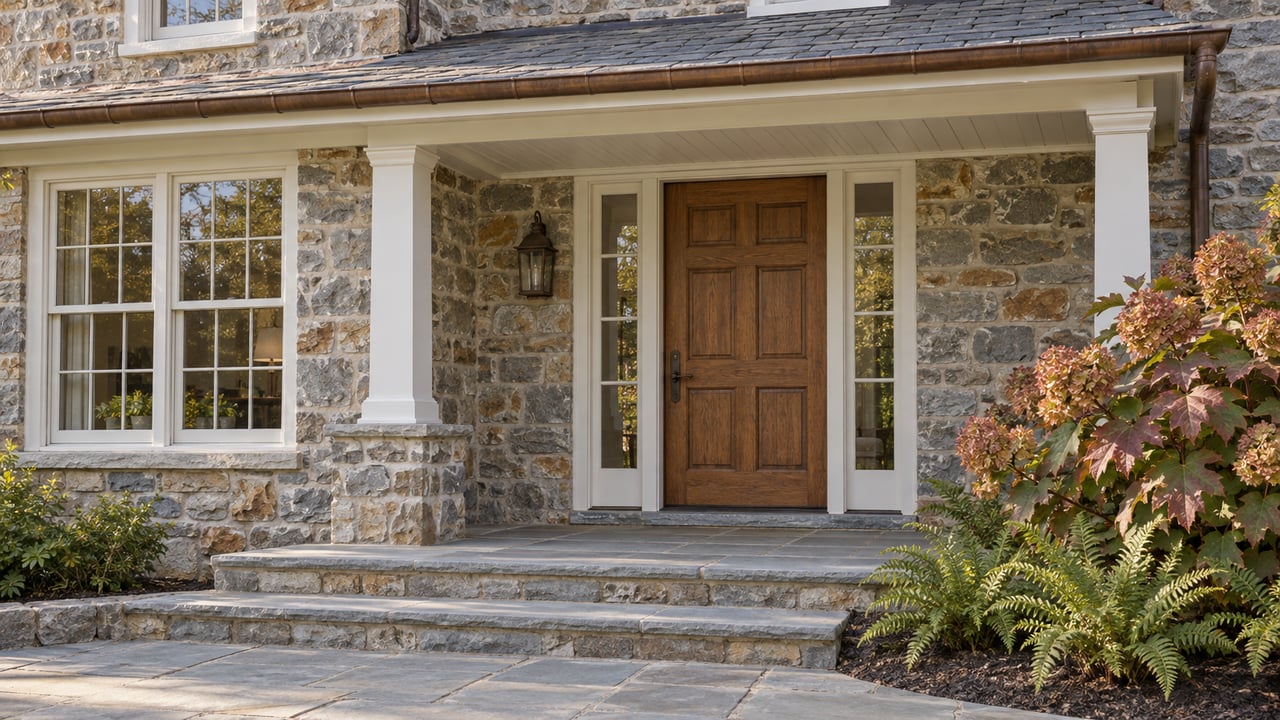
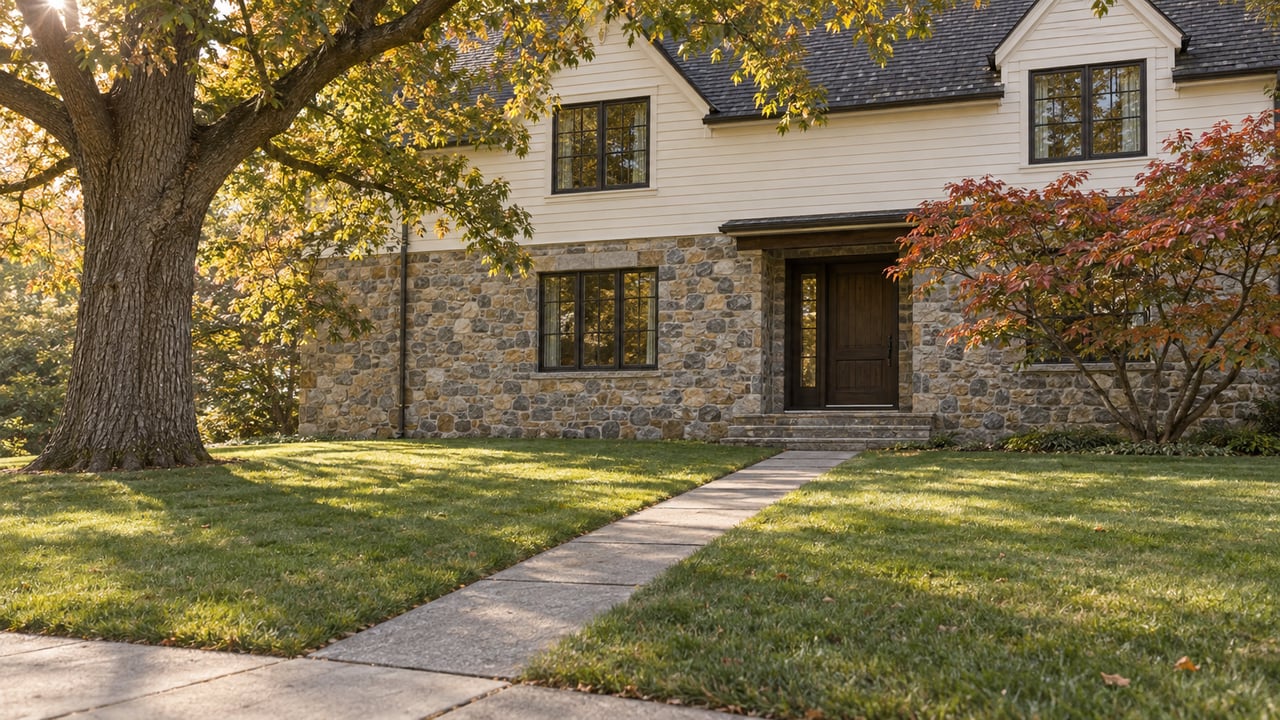
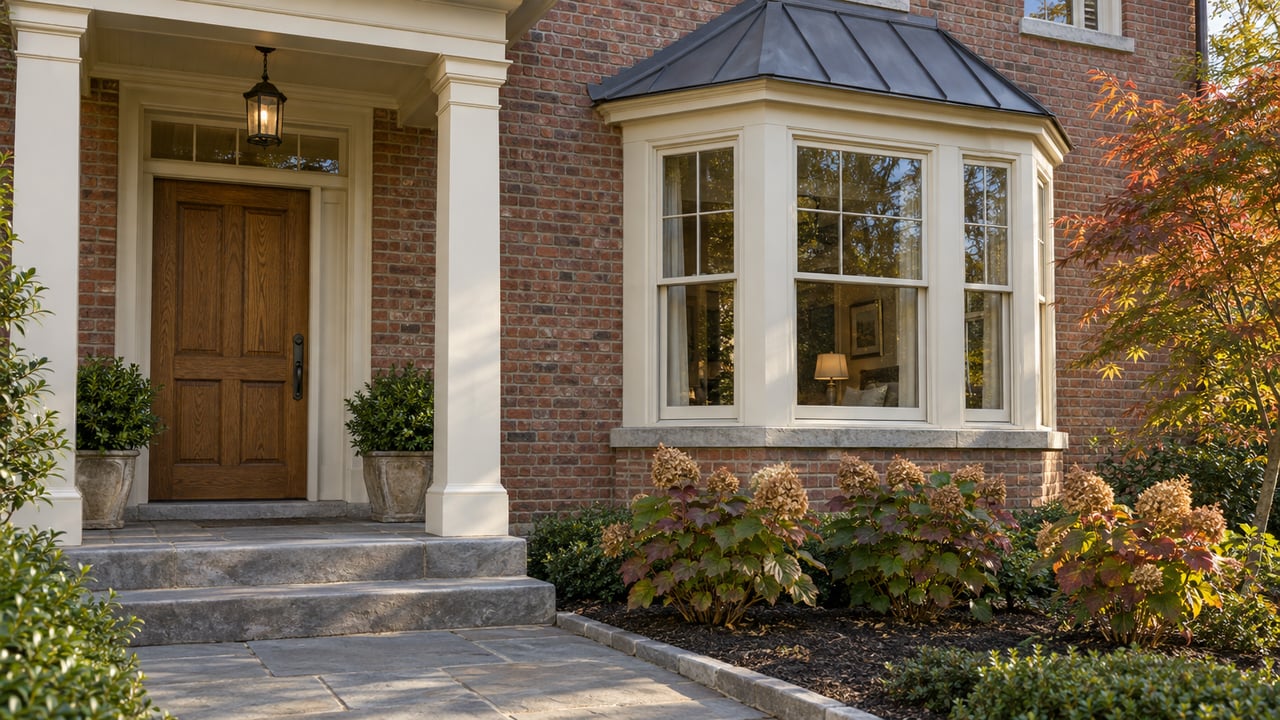
- Curb appeal touch-ups
- Minor repairs
- Attention to any safety items
- Roof repairs or replacement if condition is an issue
According to NAR’s 2025 Remodeling Impact Report, 46% of REALTORS® said buyers were less willing to compromise on condition. That does not mean your home must be perfect. It does mean that the basics should be handled well.
Make presentation work harder
Once the home is cleaned and repaired, presentation becomes the next major lever. NAR’s 2025 staging report found that 83% of buyers’ agents believe staging makes it easier for buyers to visualize a property as a future home. The same report found that 73% said photos were much more or more important to clients.
That should shape how you prepare your listing. The rooms buyers notice most are often the living room, primary bedroom, and kitchen. If your budget or timeline is limited, those are strong places to focus first.
Professional visuals are especially important in a market where buyers are comparing multiple suburban homes online before deciding what to see in person. Clean, bright, well-composed photos help your home stand out, while cluttered or poorly lit images can reduce interest before a showing is ever scheduled.
Build a practical selling timeline
The best listing timelines in Oreland, Flourtown, and Erdenheim usually start earlier than sellers expect. Instead of rushing to market, it is often smarter to build a short runway that allows you to handle paperwork, prep, and visuals in the right order.
A practical timeline often looks like this:
1. Start with pricing and planning
Review recent comparable sales, current competition, and your likely pricing range. At the same time, begin the seller disclosure review and decide what repairs or prep work make sense before launch.
2. Request township certification early
Because Springfield Township says the certification process can take about two weeks, this should happen near the start of the listing process. If violations are found, you want time to address them without disrupting your contract timeline.
3. Coordinate vendors
If the home needs painters, cleaners, landscapers, contractors, or other help, scheduling should happen before you book photography. This is where a structured, vendor-managed process can make a meaningful difference, especially for longtime owners or family sellers juggling many details.
4. Stage and photograph the home
Once the work is complete, the home should be staged as needed and professionally photographed. That helps ensure your listing enters the market looking polished from day one.
5. Launch when the home is ready
Realtor.com’s 2026 national analysis pointed to mid-April as the peak selling week, but the larger lesson is more useful than the exact date. It is usually better to list when your home is fully prepared than to rush to market before it is truly ready.
Plan for inspections and settlement
Once your home is under contract, the process shifts from marketing to execution. In Pennsylvania, a home inspection is a noninvasive visual examination of visible and apparent conditions, and the written report must describe material defects while noting that it is not an appraisal.
For sellers, this is where early preparation can pay off. Clear disclosures, repair documentation, and attention to condition before listing can help reduce surprises during the inspection period. It does not eliminate every issue, but it can make negotiation more manageable.
You should also budget for closing costs. Pennsylvania’s state realty transfer tax is 1%, and Montgomery County states its realty transfer tax is 2%. That makes transfer tax an important part of seller-side cost planning, along with the other expenses involved in closing.
After settlement, Springfield Township notes that new owners must register the deed within two business days after recording. While that step applies after closing, it is one more example of why well-managed paperwork and timing matter throughout the transaction.
Why experienced guidance matters here
Homes in Oreland, Flourtown, and Erdenheim often come with details that require careful handling. Older construction dates, permit history, township certification, prep coordination, and pricing choices all affect the final outcome. In a balanced market, those details can influence not just whether your home sells, but how smoothly it gets to closing and how strong your final terms look.
That is why many sellers benefit from an agent who can do more than place a home in the MLS. You may need pricing discipline, prep guidance, vendor coordination, professional photography, marketing, negotiation, and close management from start to finish.
With more than 39 years of experience, over 2,100 lifetime sales, and a high-touch support structure behind every listing, Diane Reddington brings the kind of local judgment and operational precision that can help you move forward with confidence.
FAQs
How early should I start the township certification process for a home sale in Oreland, Flourtown, or Erdenheim?
- Springfield Township says to allow at least two weeks for required inspections, so it is best to start the certification process at listing time rather than waiting until you are under contract.
Do I need to disclose problems when selling a home in Pennsylvania?
- Yes. Pennsylvania law requires sellers of residential real estate to disclose known material defects by completing the property disclosure statement and delivering it before the agreement of transfer is signed.
Should I renovate before selling a home in 19075?
- Usually, selective updates make more sense than major renovations. Paint, cleaning, curb appeal, lighting, minor repairs, and roof attention when needed are often more practical than expensive remodels.
Do staging and professional photos matter when selling in Springfield Township?
- Yes. NAR’s 2025 data shows that staging helps buyers visualize the home and that photos are highly important to buyers’ agents and their clients.
Why is pricing so important when selling a home in Oreland, Flourtown, or Erdenheim?
- Because the market is more balanced than frenzied, and 19075 listing metrics sit above countywide medians. Buyers are active, but they are also comparing condition, presentation, and price carefully.
What permits should I check before making pre-list repairs in Springfield Township?
- Springfield Township requires permits for work such as roofing, siding, windows, decks, sheds, plumbing fixture replacement, sewer work, electrical work, and HVAC work. Painting, floorcoverings, tiling, and fencing do not require permits.