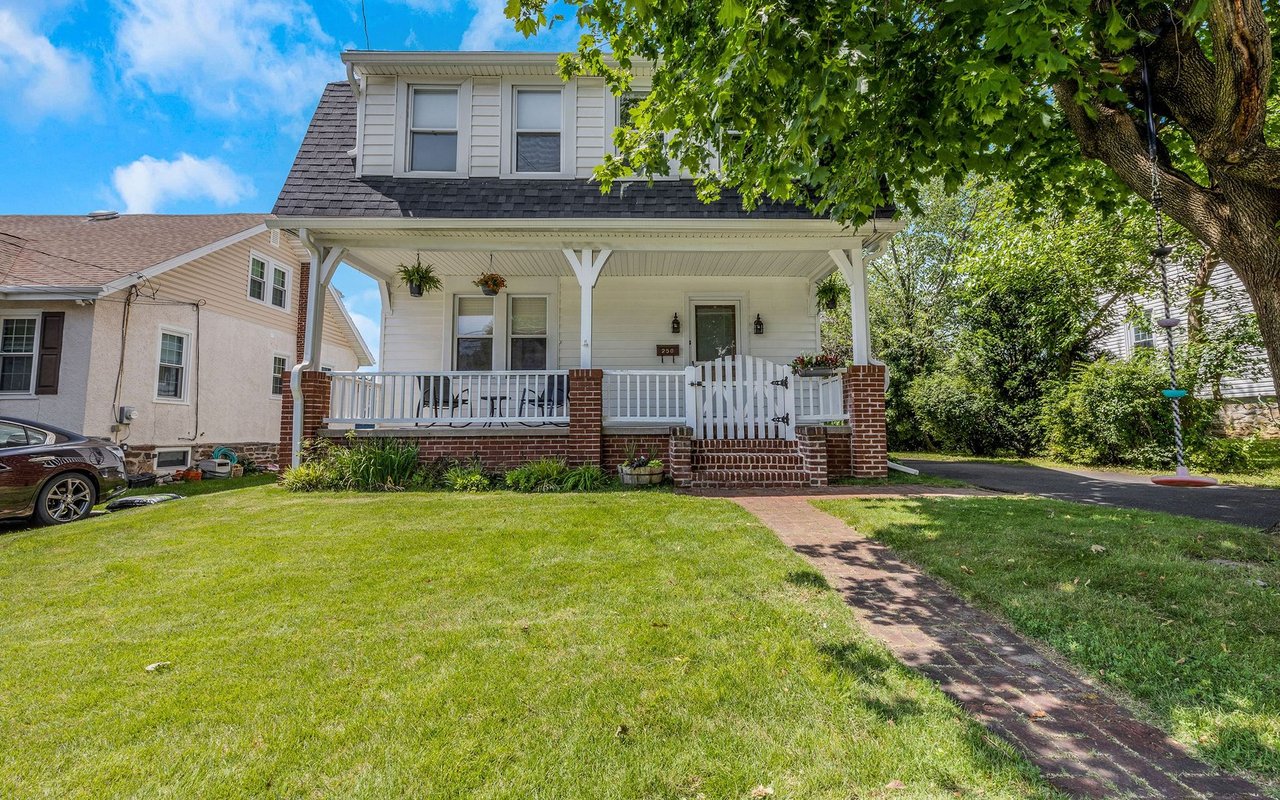
Flourtown presents a charming and historically rich community in Montgomery County, Pennsylvania, offering a unique blend of suburban comfort and deep-rooted heritage. Located within Springfield and Whitemarsh Townships, Flourtown sits just outside Philadelphia, providing convenient access to the city while maintaining a peaceful, residential character. Its proximity to major roadways and neighboring communities such as Chestnut Hill, Oreland, and Plymouth Meeting enhances its appeal for those seeking both accessibility and a more relaxed pace of living.
Founded in 1743, Flourtown derives its name from the flouring mills that once operated along the Wissahickon Creek, serving as a hub for local farmers who brought their grain to be processed. This agricultural and industrial beginning helped shape the area’s early identity, and remnants of that history are still reflected in its architecture and layout today. Many homes date back to the Colonial era, contributing to the community’s timeless character and sense of place. Notable historic landmarks, including the Black Horse Inn—listed on the National Register of Historic Places—further highlight Flourtown’s preservation of its past.
Flourtown is served by highly regarded local school districts, including Springfield Township School District and Colonial School District, both known for strong academic programs and active community engagement. This educational foundation, combined with the area’s established neighborhoods and welcoming atmosphere, makes Flourtown especially attractive to those seeking both quality schooling and a strong sense of community.
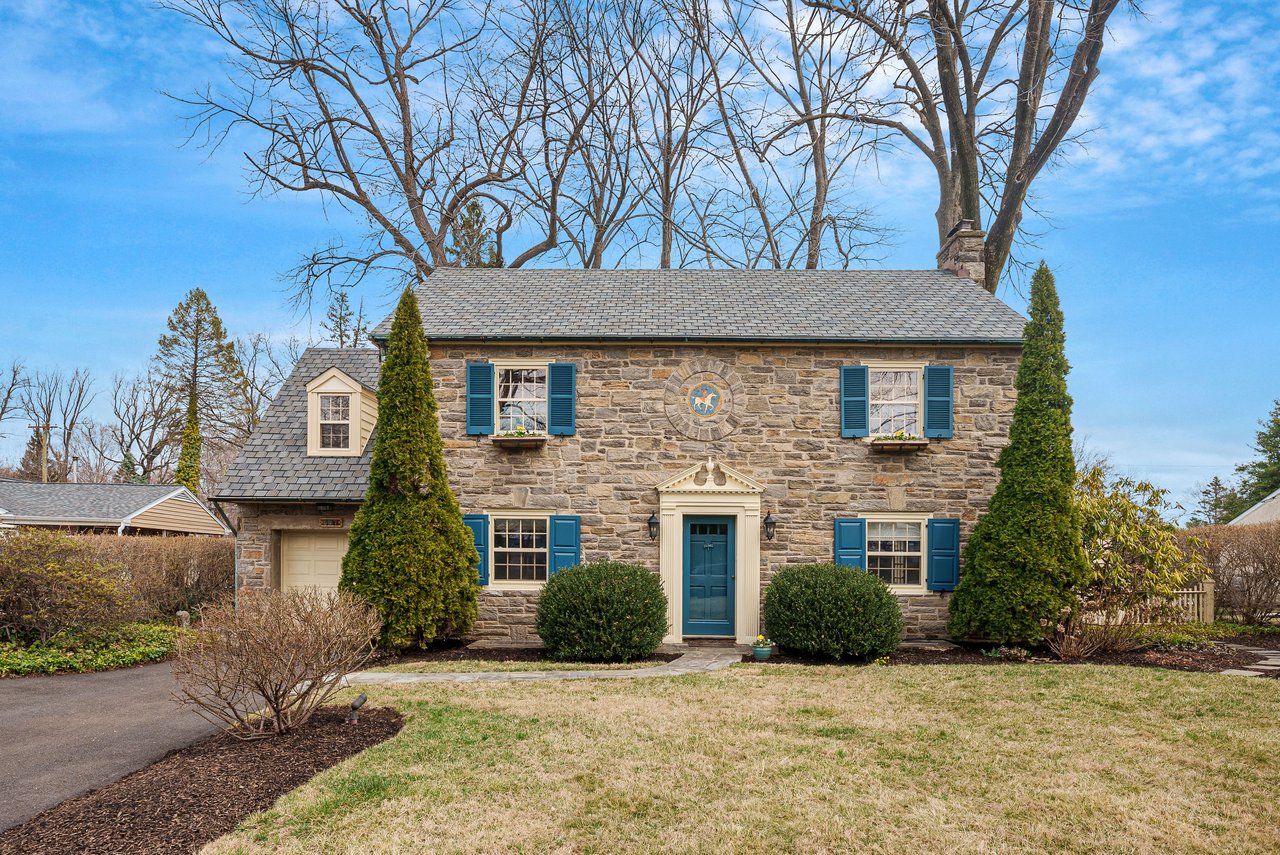
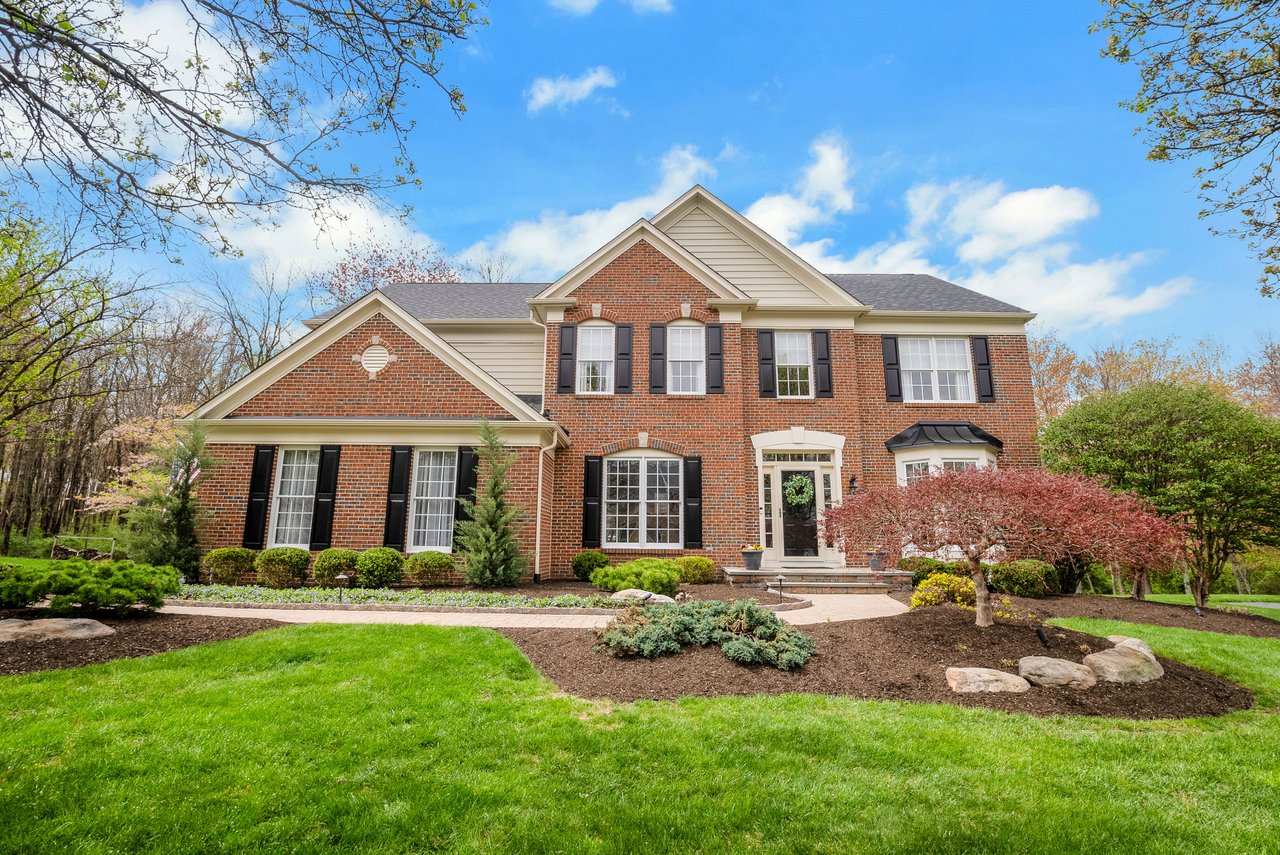
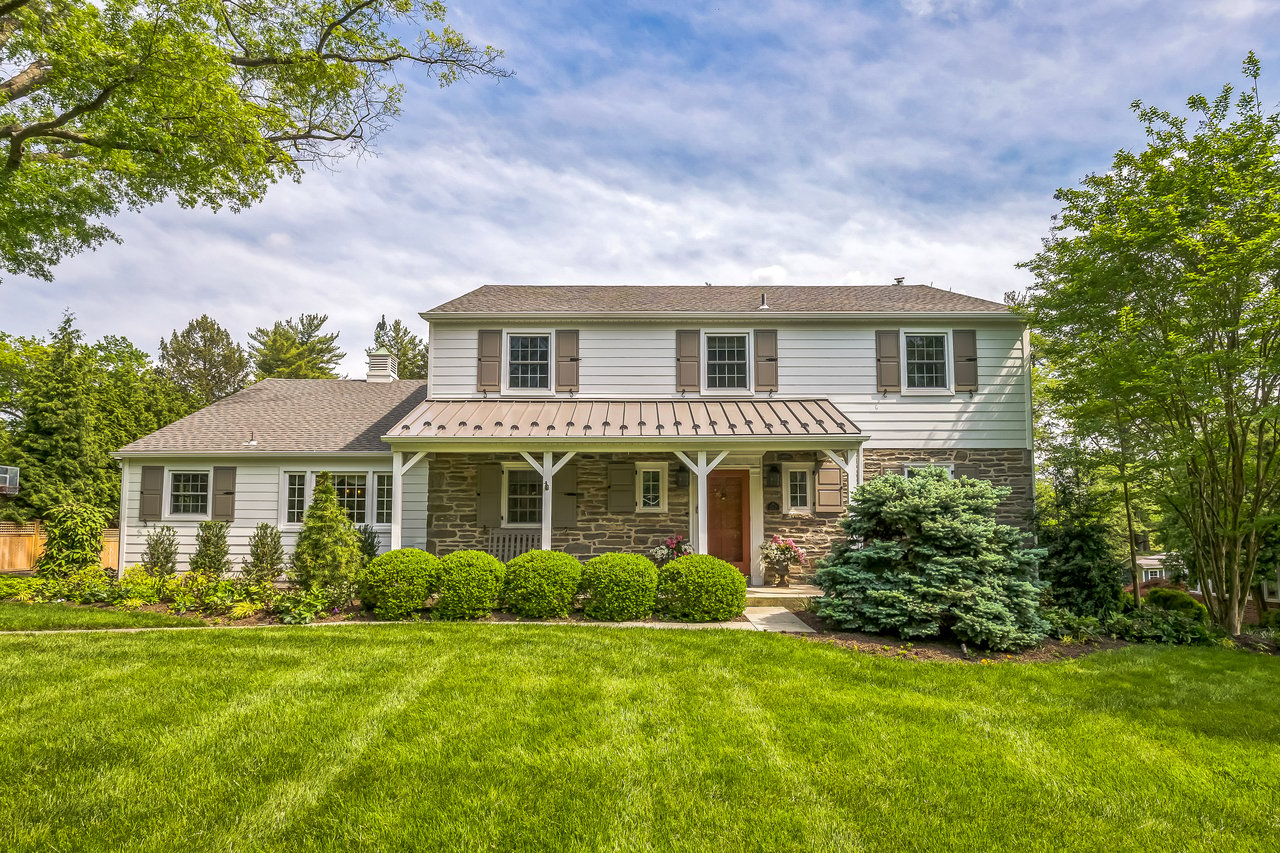
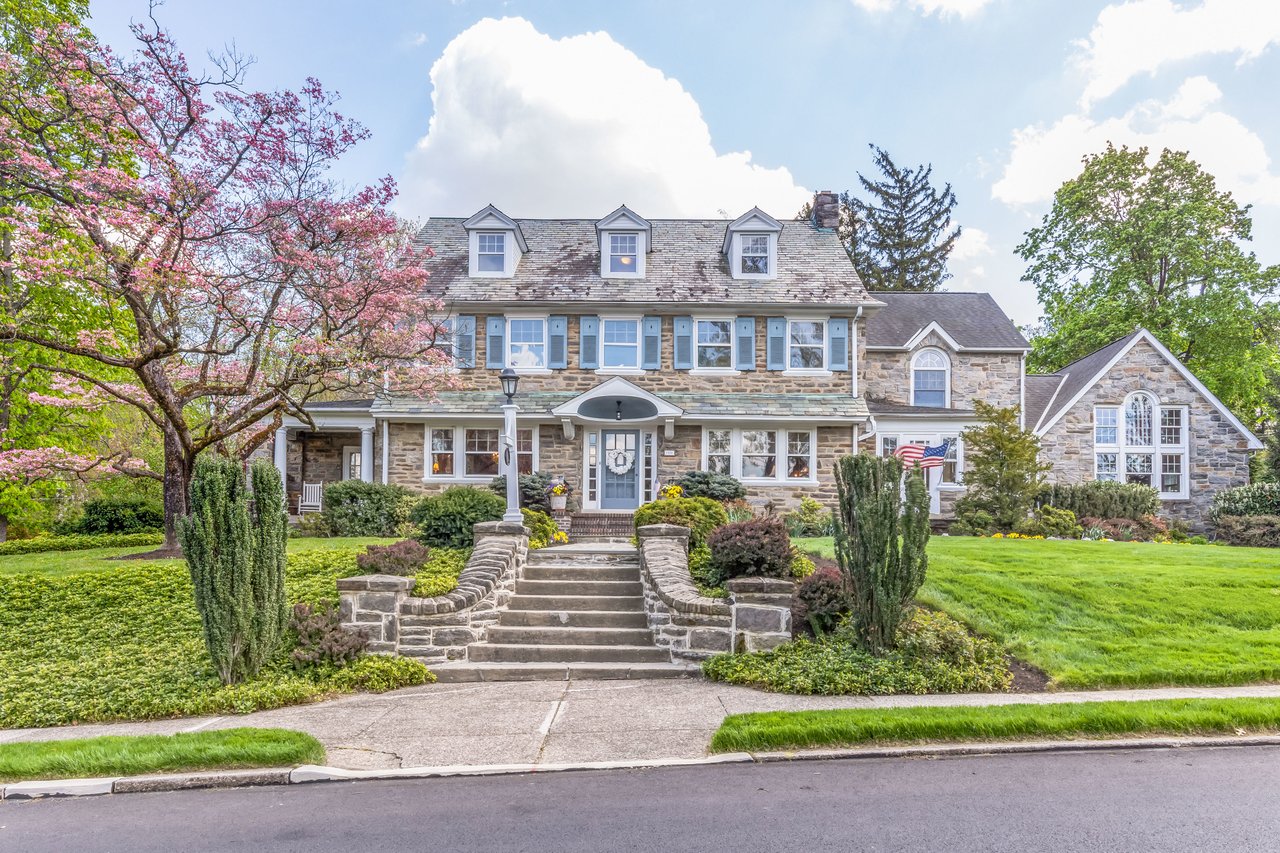
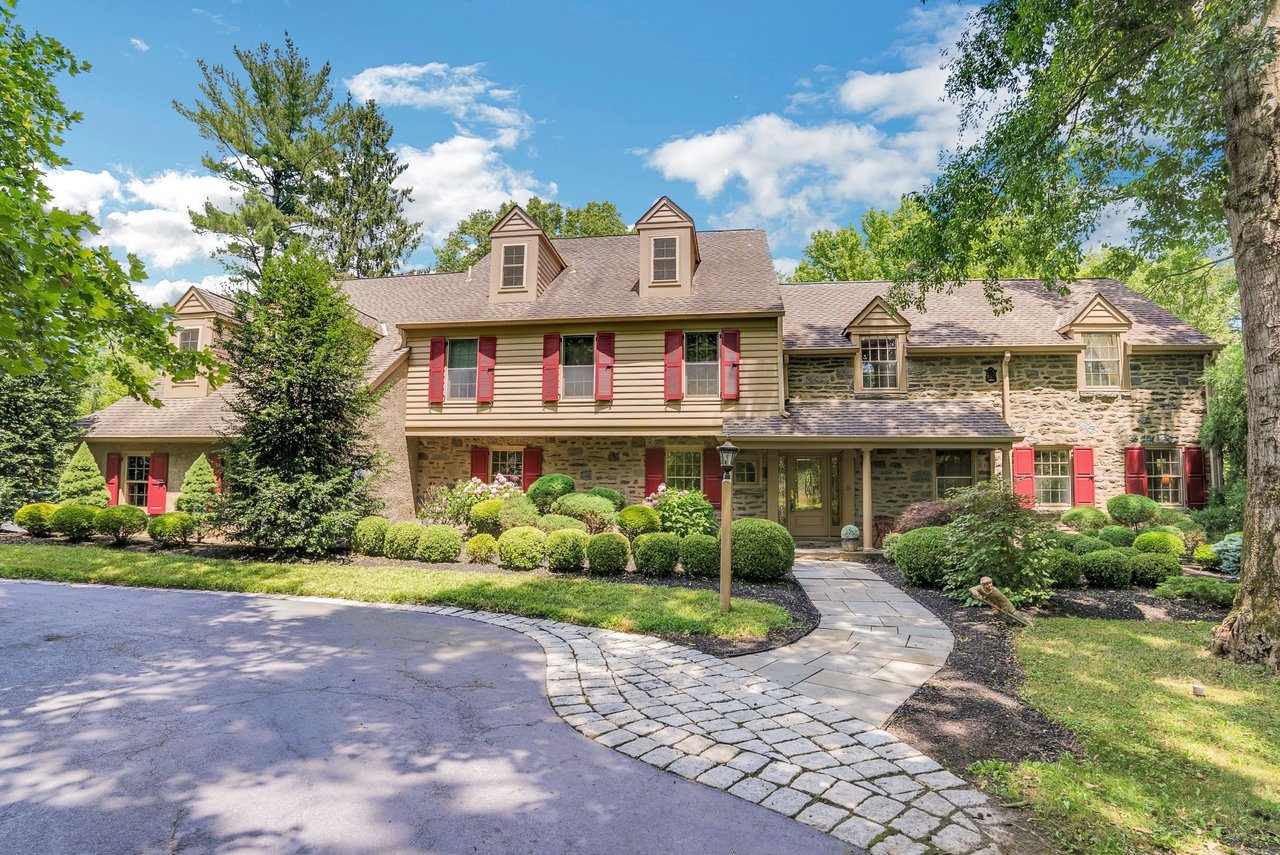
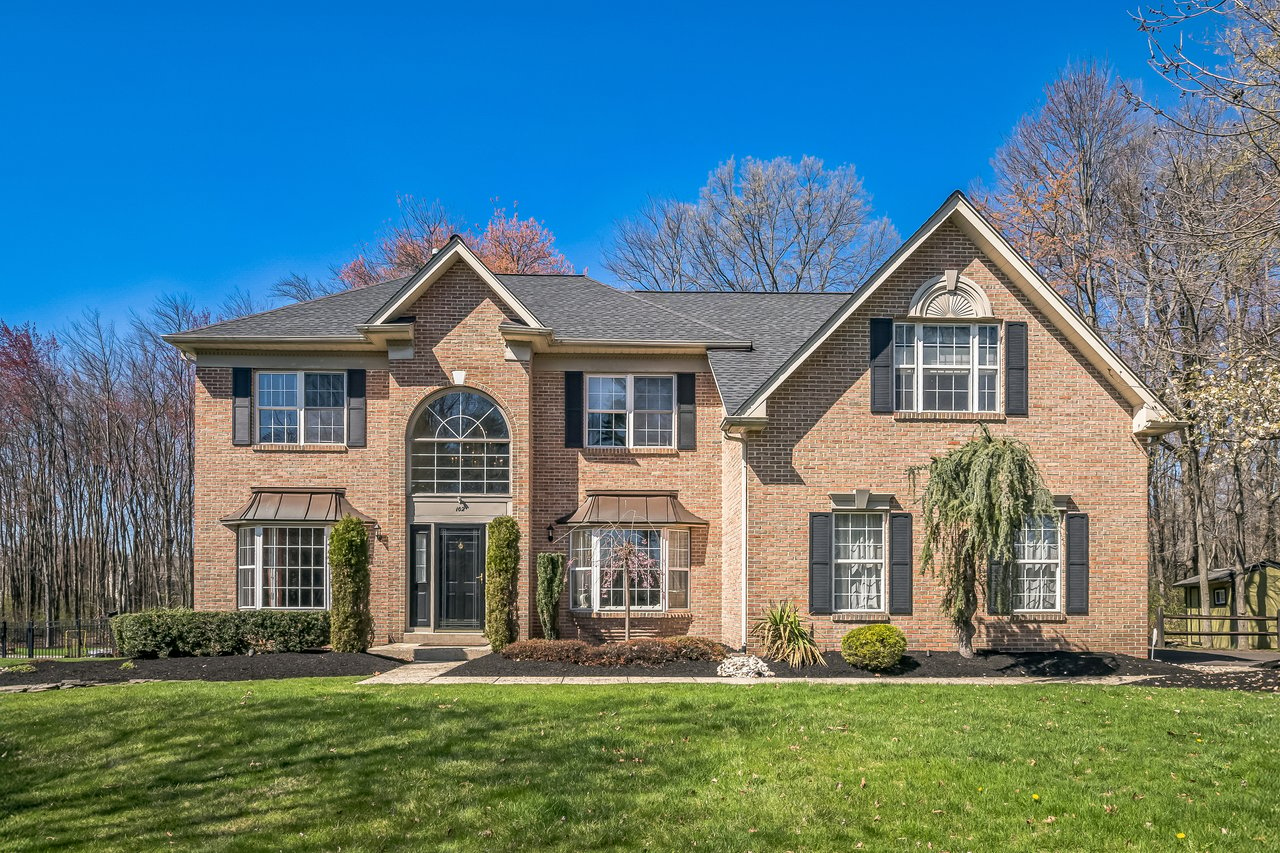
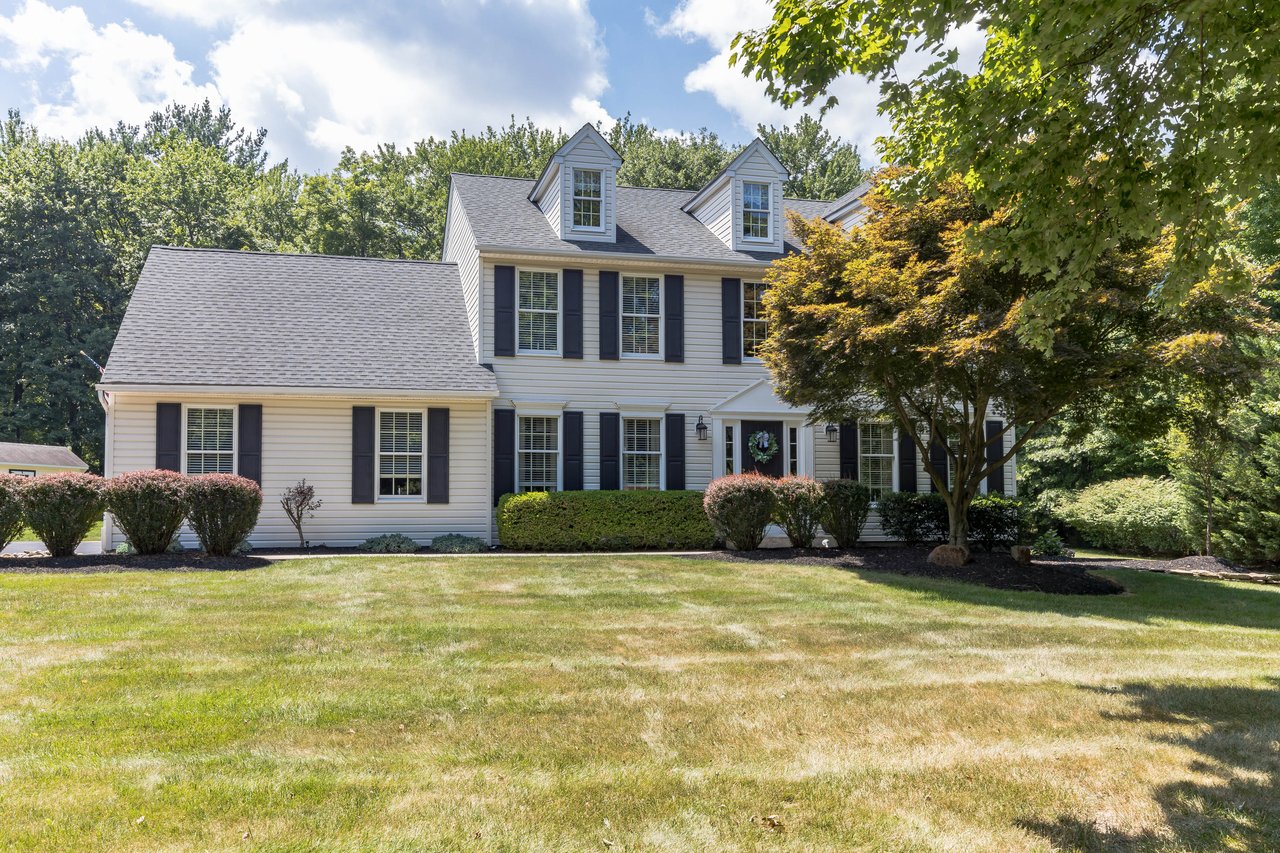
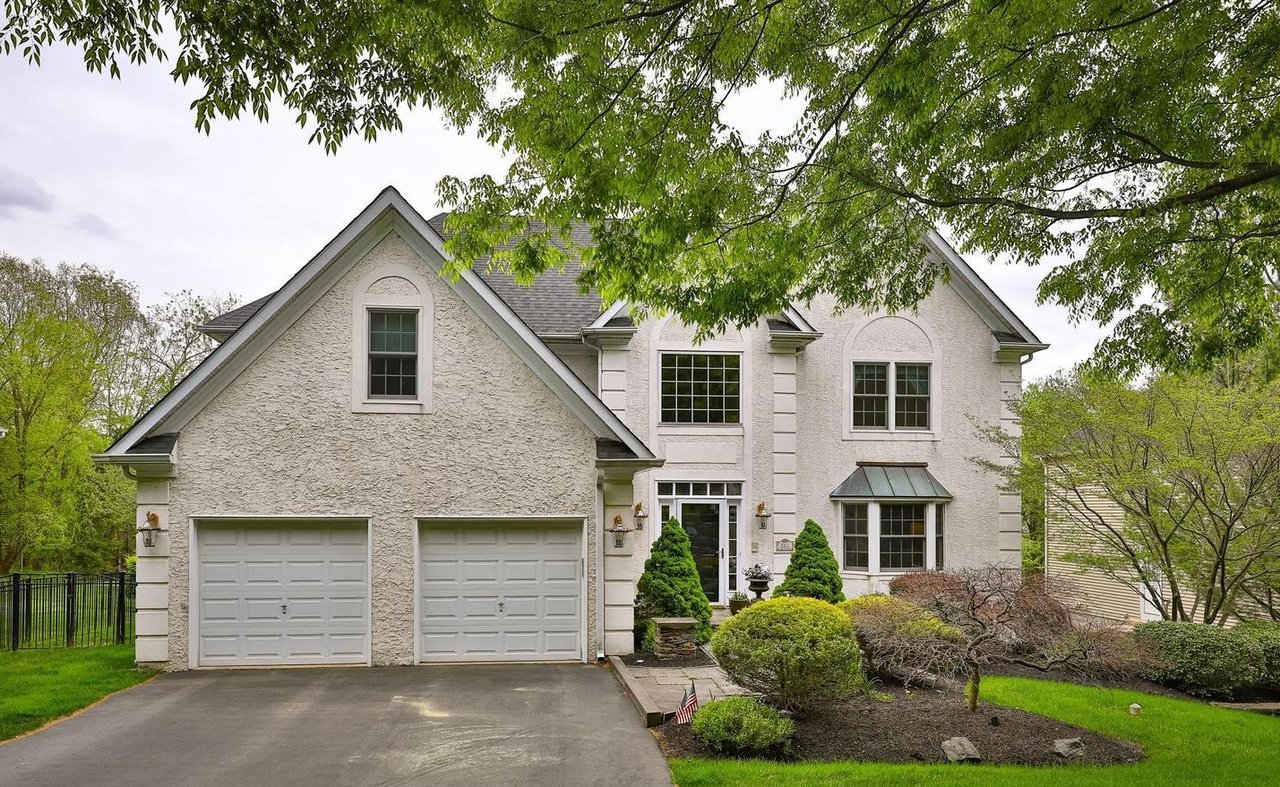
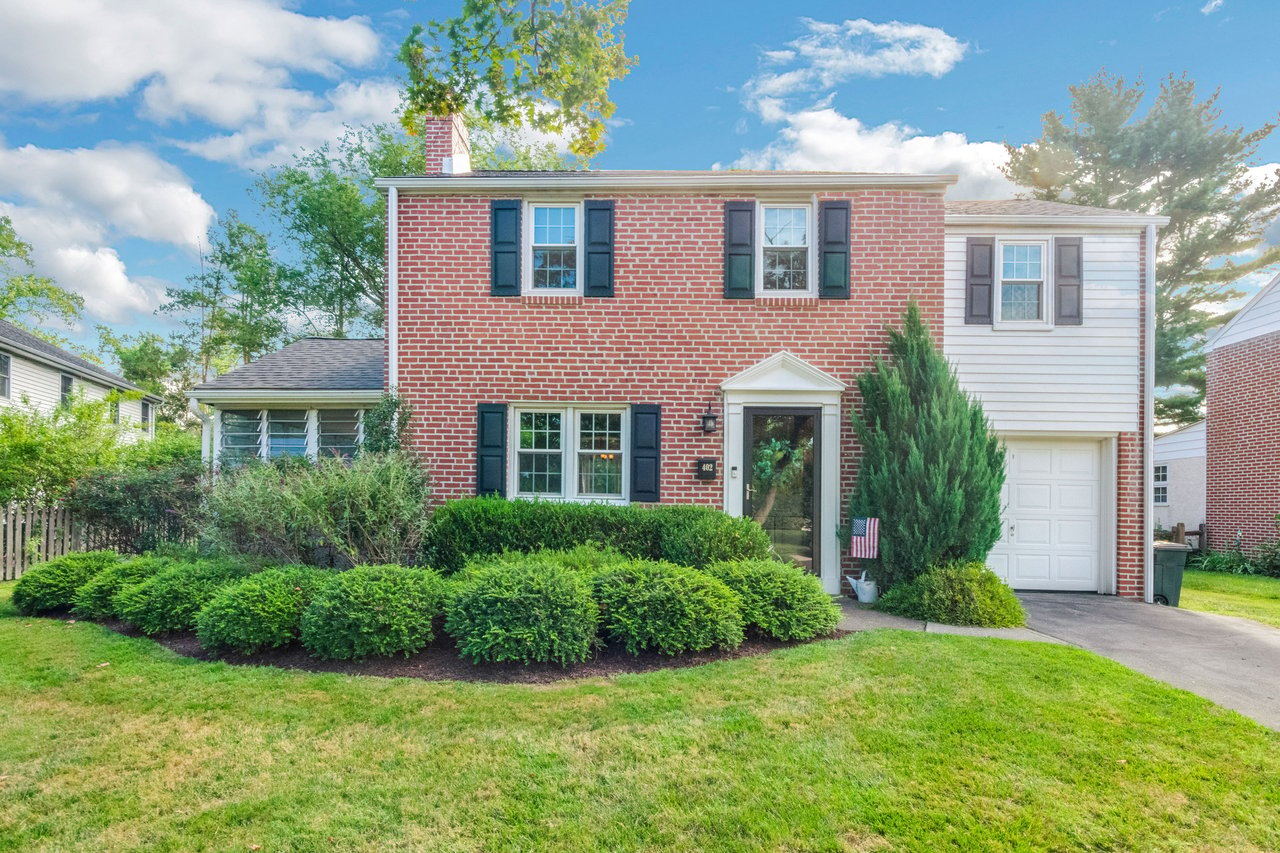
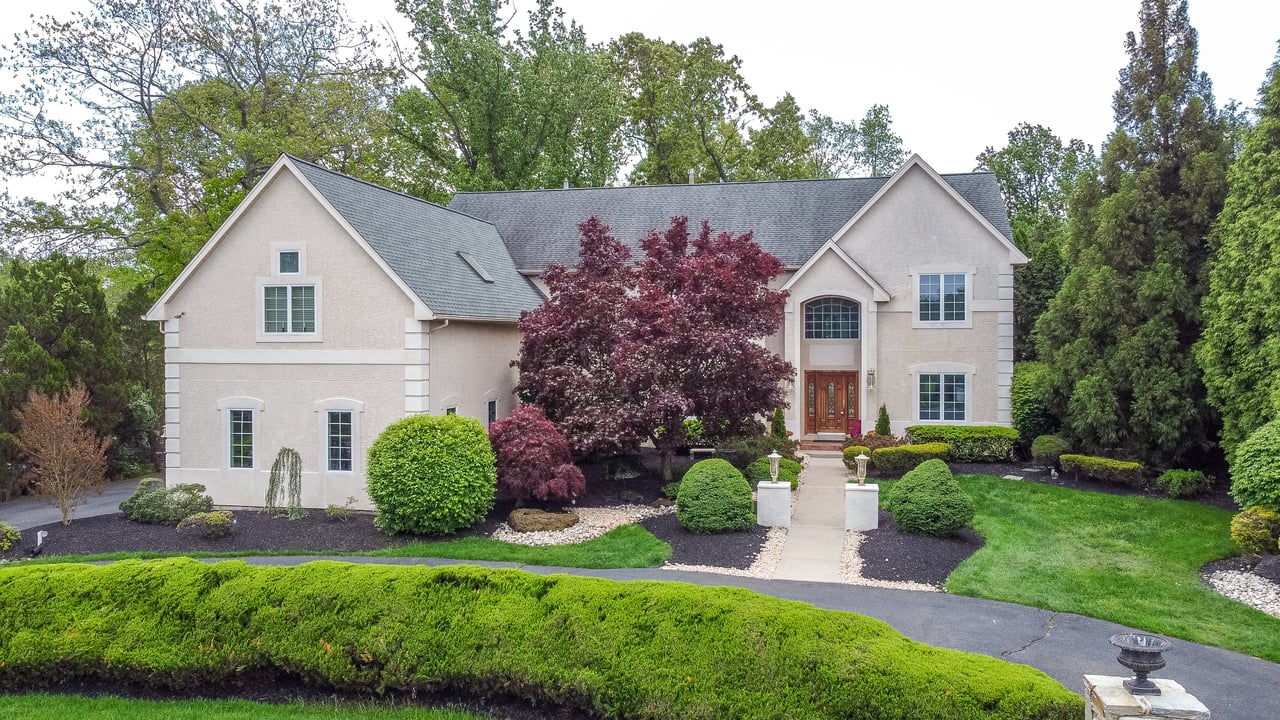
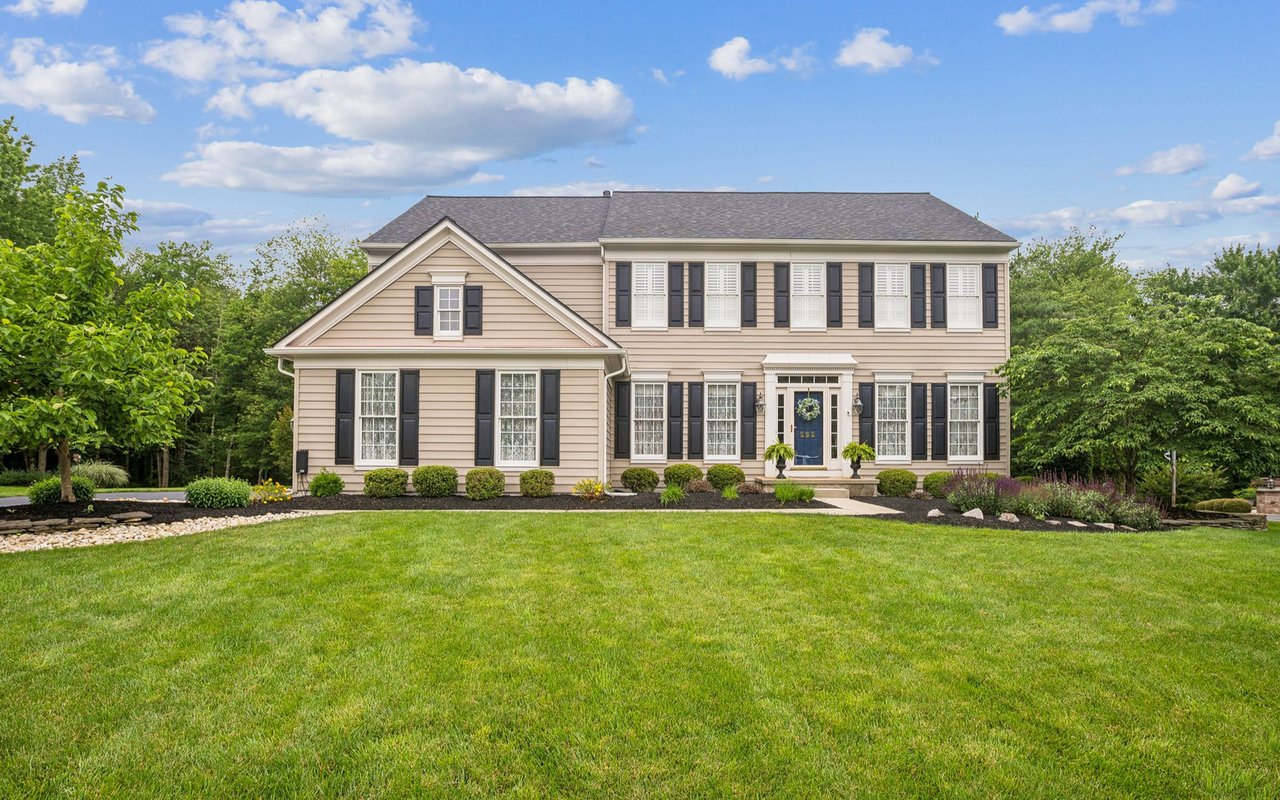
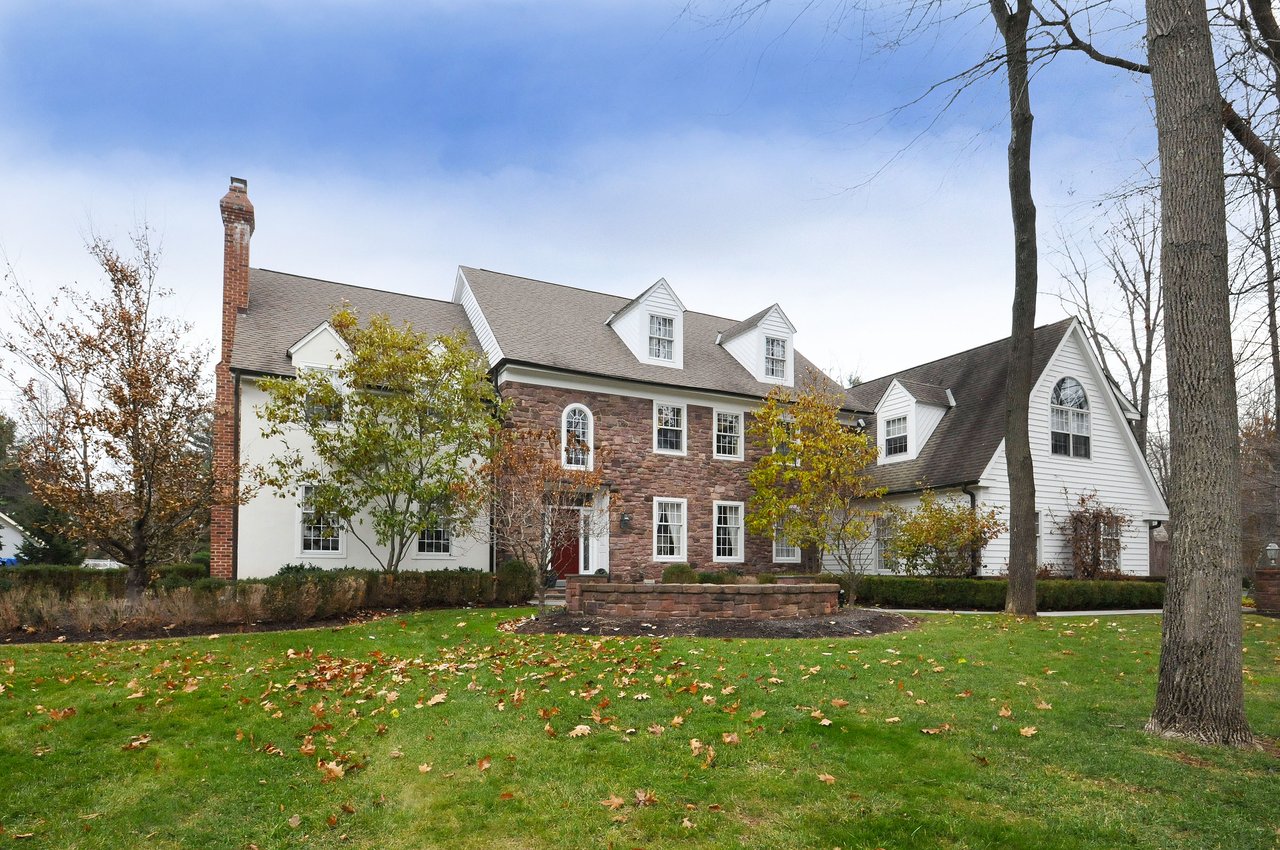
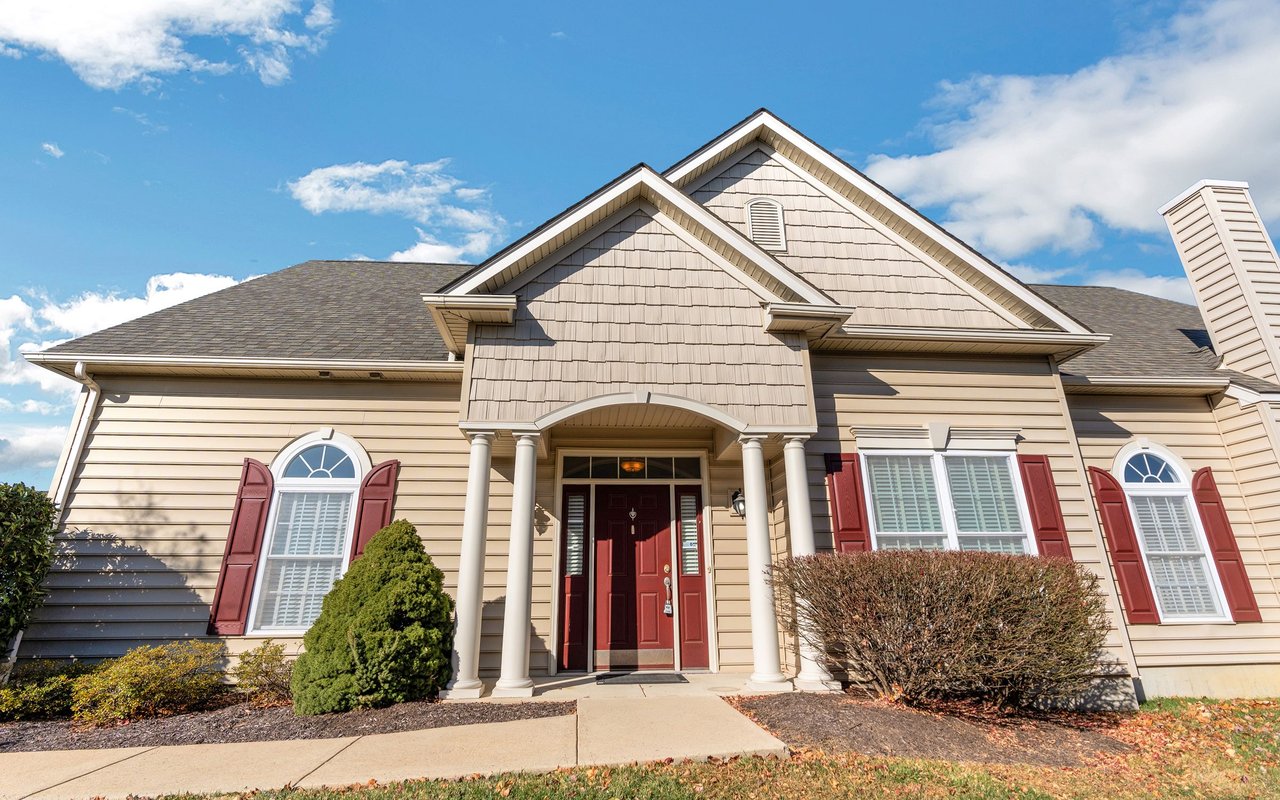
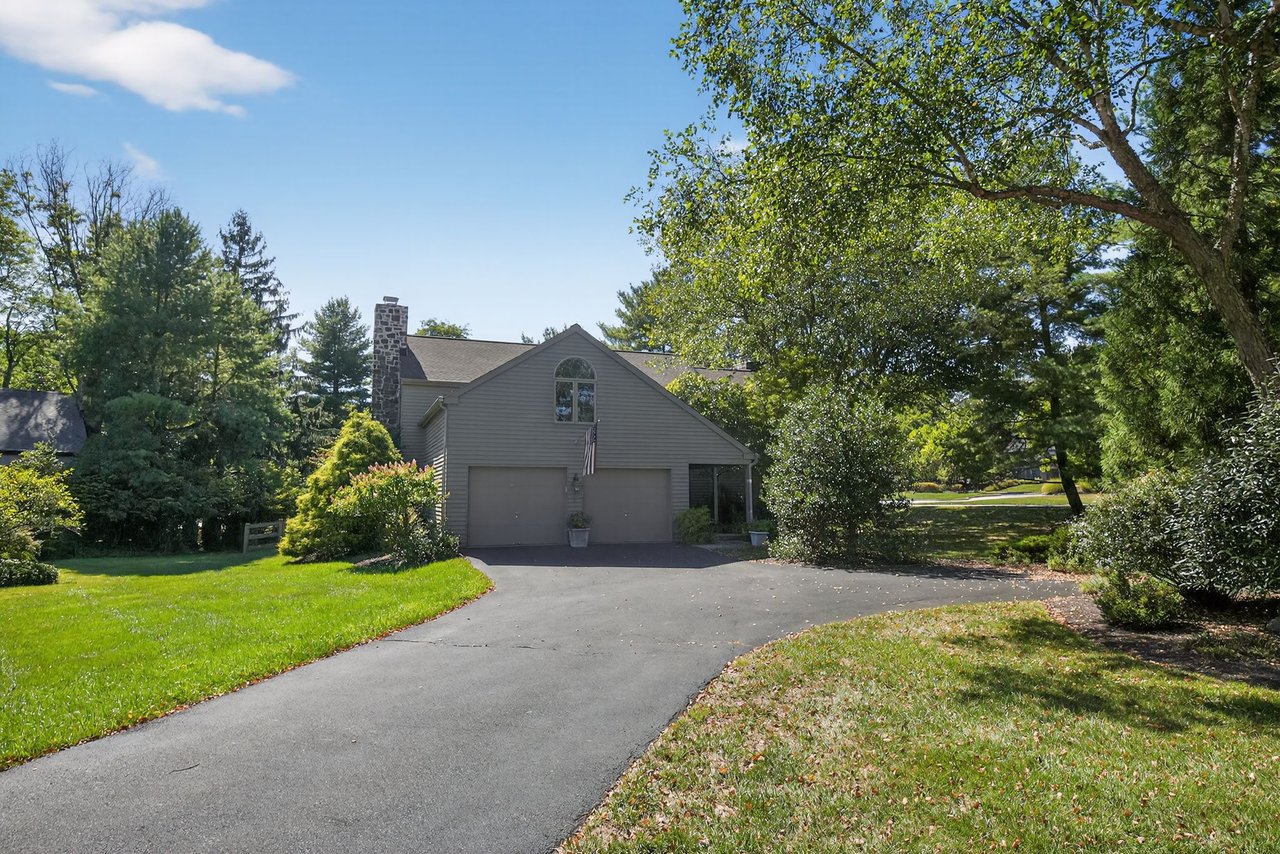
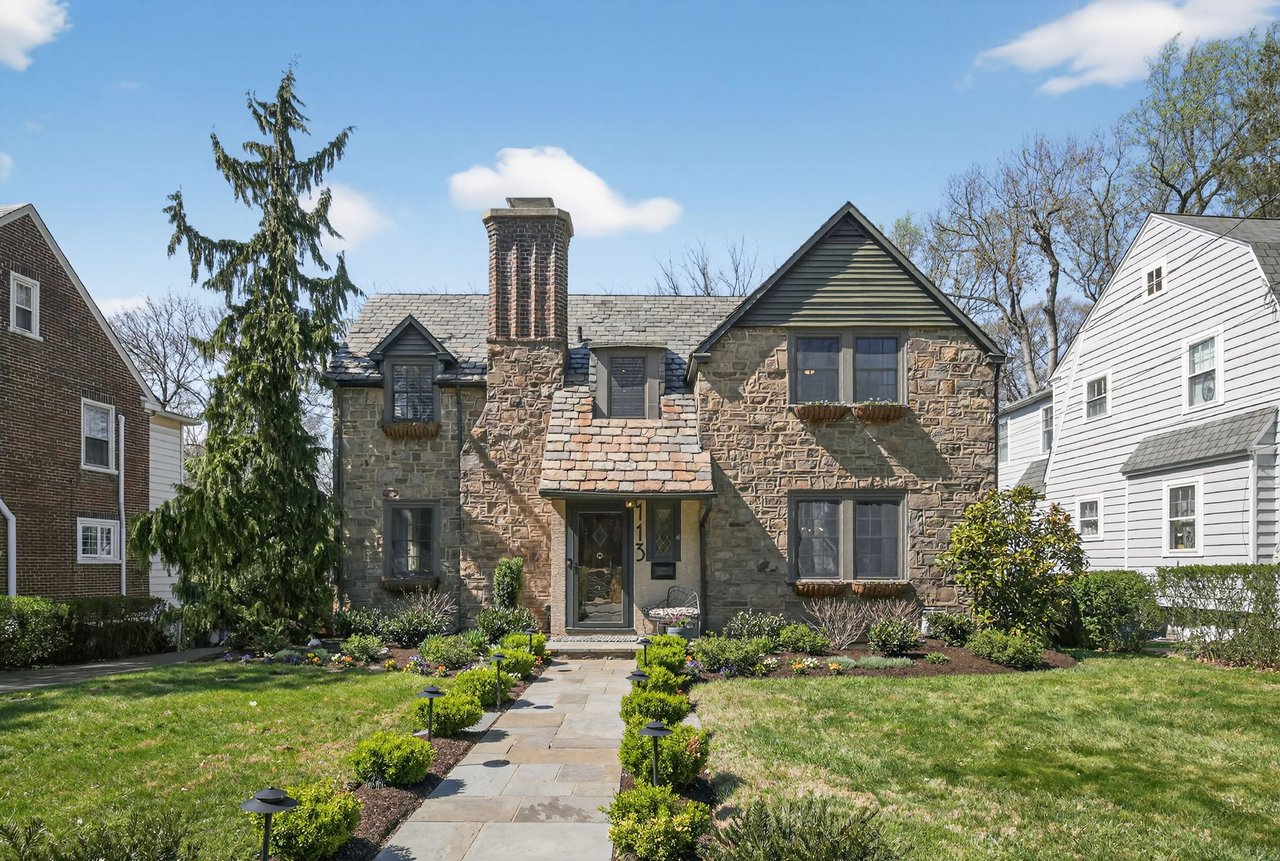
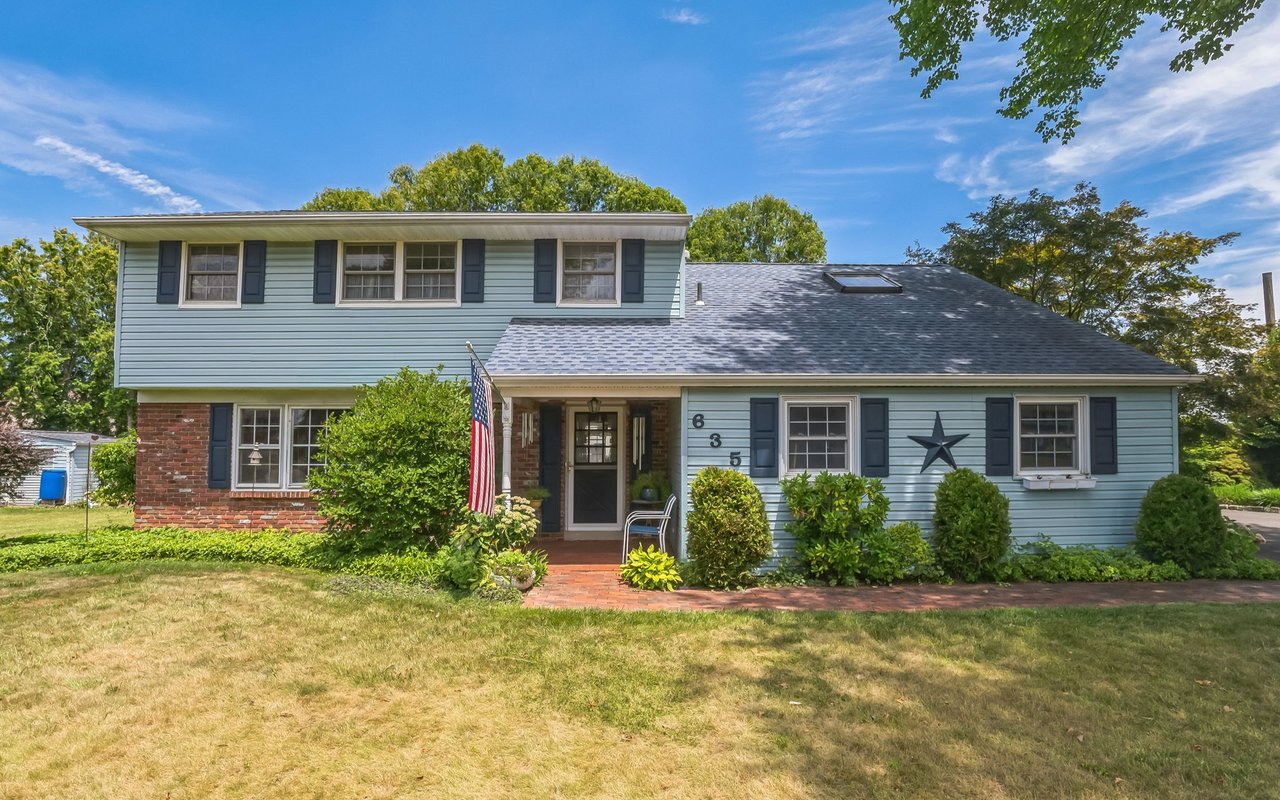
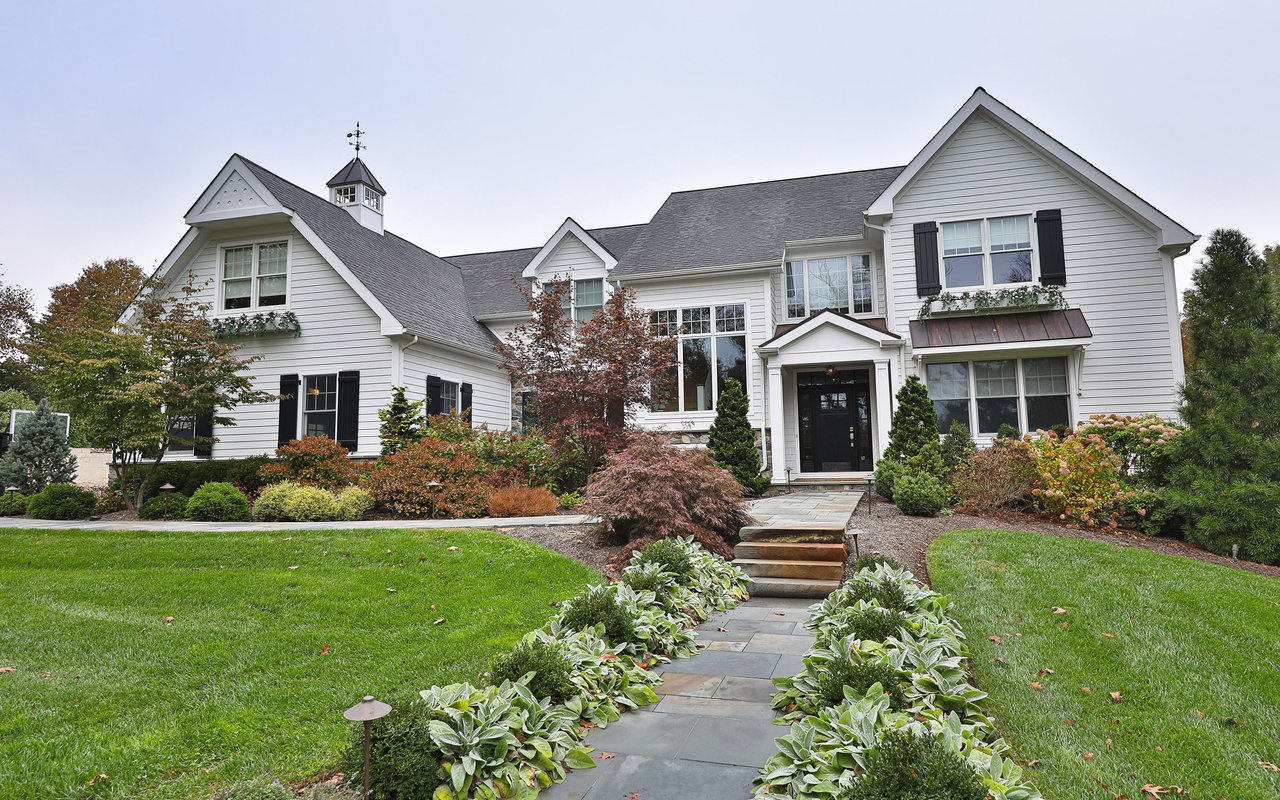
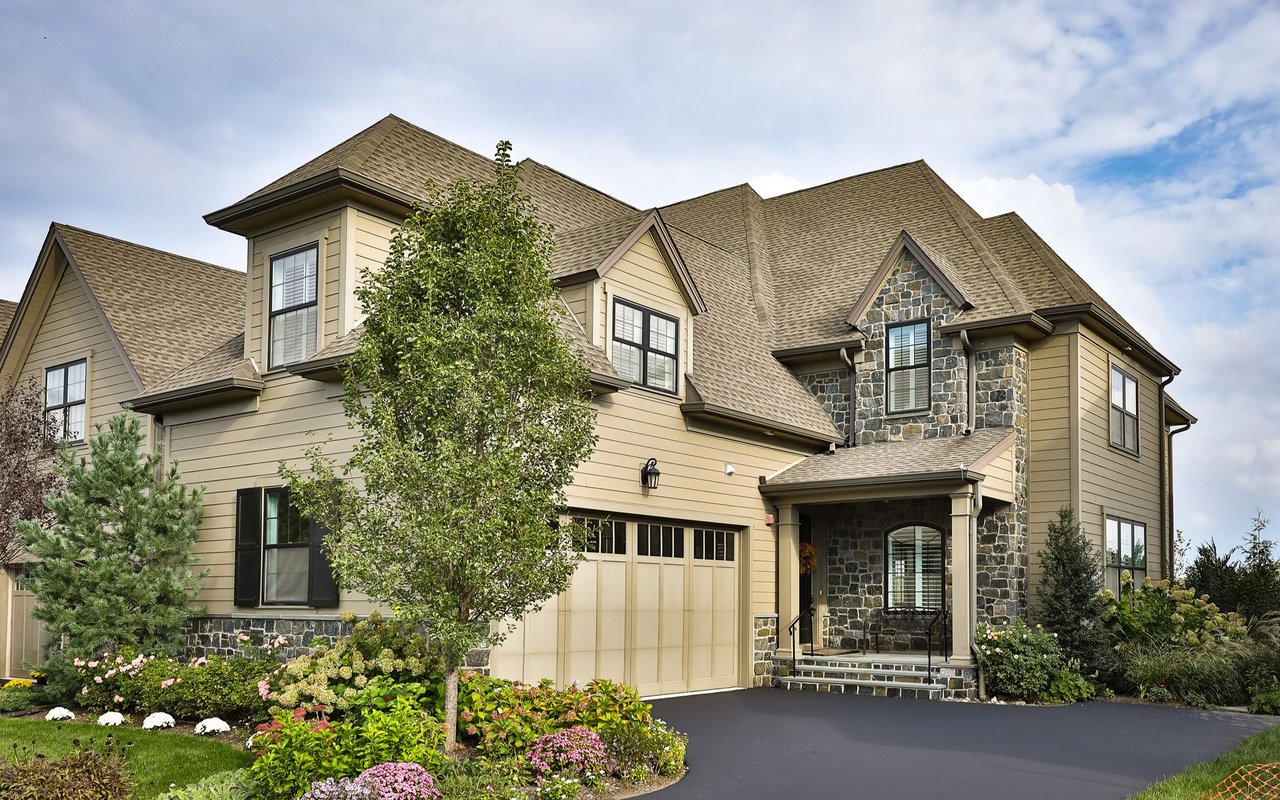
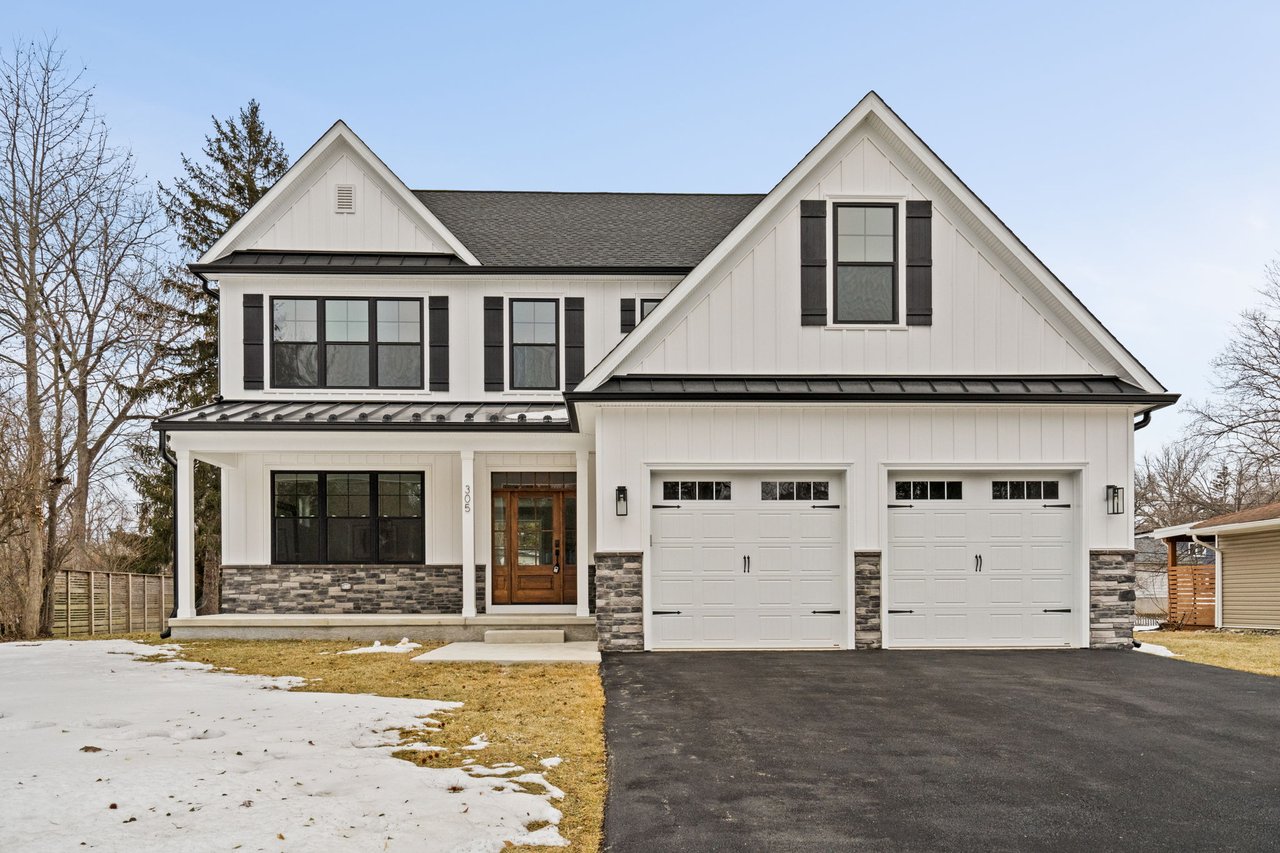
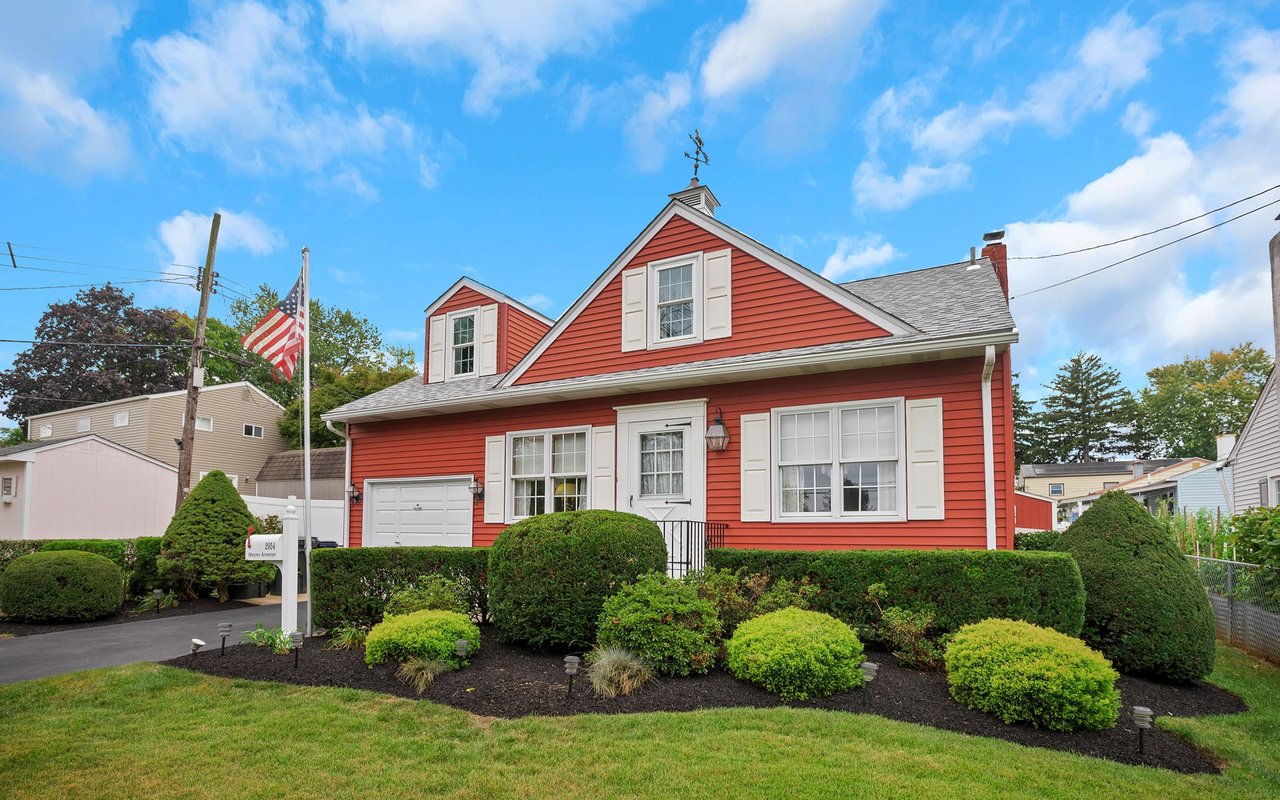
The housing landscape in Flourtown reflects its historic roots and suburban evolution. Residents will find a mix of classic single-family homes, including stone Colonials, Cape Cods, and expanded farmhouses, many set on mature, tree-lined streets. In addition, there are townhomes and smaller residential pockets that offer options for a variety of lifestyles. The preservation of older homes alongside thoughtful updates contributes to the area’s distinctive charm and enduring appeal.
Flourtown also offers a variety of local amenities and recreational opportunities. Its close proximity to the Wissahickon Valley provides easy access to scenic trails, parks, and outdoor activities, while nearby commercial corridors along Bethlehem Pike offer convenient shopping, dining, and everyday services. Residents benefit from being just minutes from the vibrant shops and restaurants of Chestnut Hill, as well as larger retail destinations in surrounding areas.
With its combination of historical significance, desirable location, strong schools, and inviting neighborhoods, Flourtown stands out as a community that balances tradition with modern convenience. Its quiet charm, accessibility, and sense of history continue to make it one of Montgomery County’s most appealing places to call home.
Erdenheim Elementary School–Springfield Township
St. Genevieve School–Springfield Township
Carson Valley Children’s Aid–Springfield Township
Mount St Joseph Academy–Springfield Township
Springfield Township High School–Springfield Township
5,166 people live in Flourtown, where the median age is 48.7 and the average individual income is $84,030. Data provided by the U.S. Census Bureau.
Total Population
Median Age
Population Density Population Density This is the number of people per square mile in a neighborhood.
Average individual Income
Flourtown has 2,045 households, with an average household size of 2.35. Data provided by the U.S. Census Bureau. Here’s what the people living in Flourtown do for work — and how long it takes them to get there. Data provided by the U.S. Census Bureau. 5,166 people call Flourtown home. The population density is 1,686 and the largest age group is Data provided by the U.S. Census Bureau.
Total Population
Population Density Population Density This is the number of people per square mile in a neighborhood.
Median Age
Men vs Women
Population by Age Group
0-9 Years
10-17 Years
18-24 Years
25-64 Years
65-74 Years
75+ Years
Education Level
Total Households
Average Household Size
Average individual Income
Households with Children
With Children:
Without Children:
Marital Status
Blue vs White Collar Workers
Blue Collar:
White Collar: