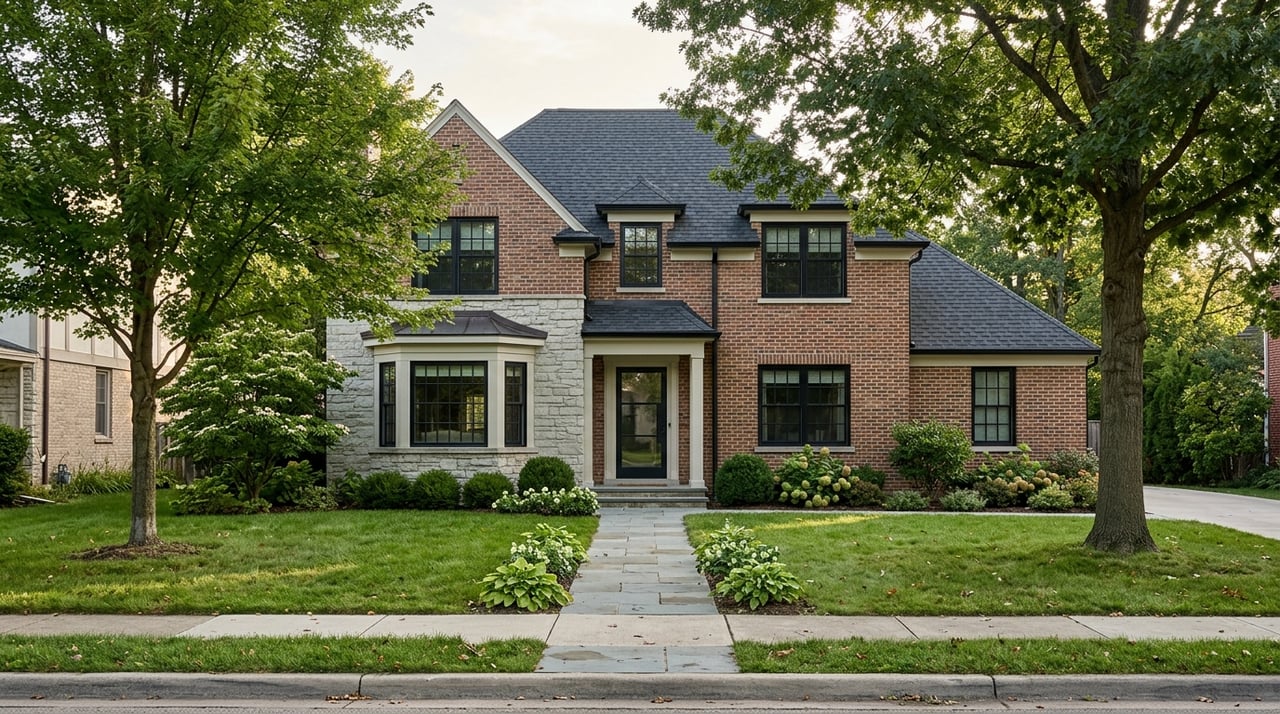
If you are looking for a suburb that feels established from day one, East Oreland stands out. This part of the Oreland and Springfield Township area offers mature streetscapes, older homes with character, and everyday convenience that feels practical instead of overbuilt. If you want to understand what living here is really like, from housing style to commuting and outdoor access, this guide will help you picture daily life more clearly. Let’s dive in.
East Oreland feels settled and established
East Oreland is best understood through the broader Oreland and Springfield Township setting in southeastern Montgomery County. Springfield Township identifies Oreland, Flourtown, Erdenheim, and Wyndmoor as its principal communities, with nearby access to Abington, Cheltenham, Upper Dublin, Whitemarsh, and Chestnut Hill.
That regional context matters when you are deciding whether a neighborhood feels tucked away or well connected. East Oreland offers a close-in suburban location that sits northwest of Philadelphia while still feeling residential and local.
The neighborhood pattern has deep roots
Springfield Township describes Oreland as a community shaped by early lime and ore deposits, with Limekiln Pike growing out of one of the area’s early road connections. Over time, the area shifted from mining and farming into a residential suburb.
That history helps explain why the neighborhood does not feel like a new development. The streets and homes reflect decades of growth rather than a single wave of recent construction.
Housing leans toward older single-family homes
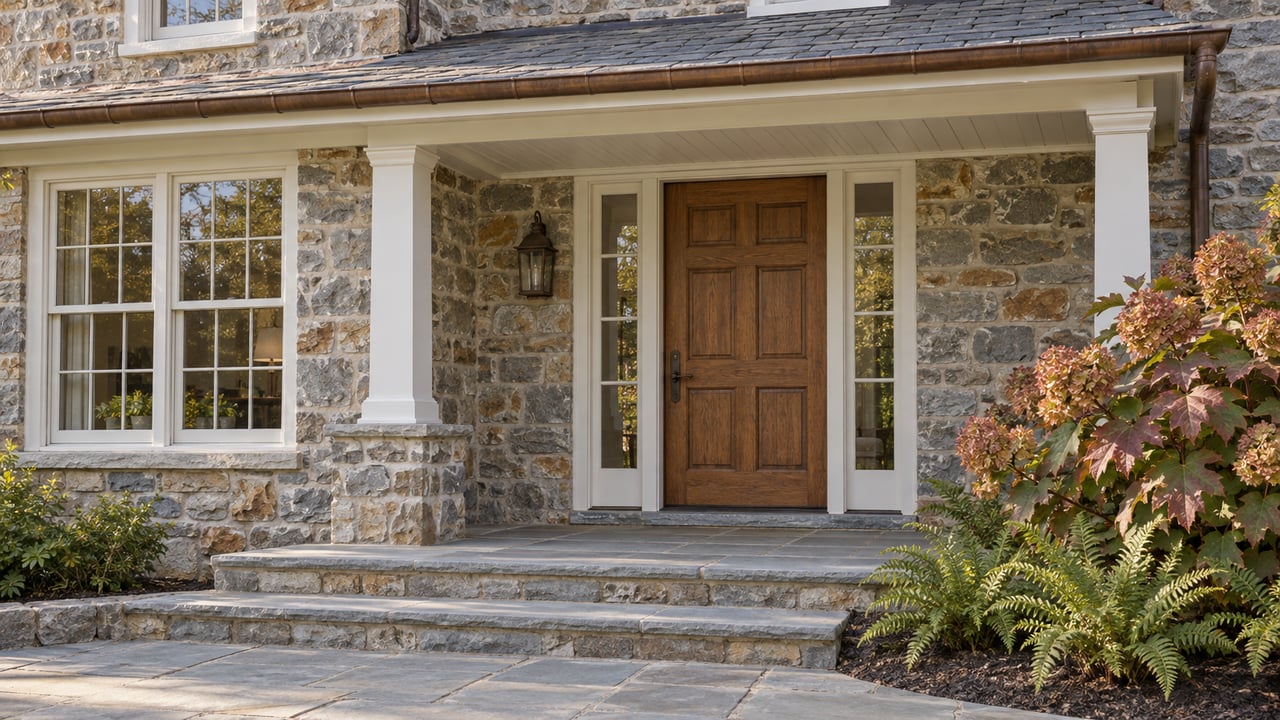
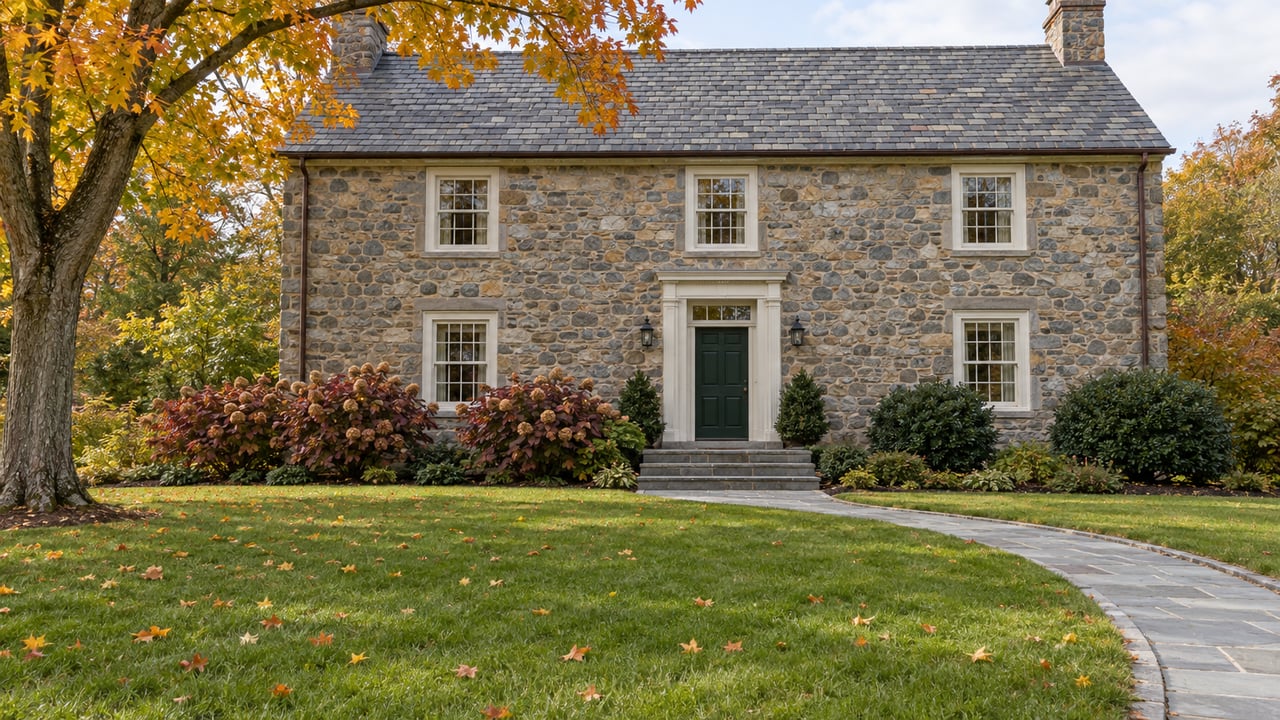
Springfield Township says the community is largely built out with single-family detached homes from the 1940s, 1950s, and 1960s. For many buyers, that translates to homes with more established lot lines, mature landscaping, and a neighborhood layout that has had time to settle in.
If you are drawn to polished new construction, East Oreland may not offer that same feel. If you prefer housing character, a lived-in neighborhood pattern, and a more traditional suburban rhythm, this area has a lot to offer.
Owner occupancy supports neighborhood stability
Current census data also support the area’s settled feel. In Springfield Township, the owner-occupied housing rate is 81.2%, while in the Oreland census-designated place it is 90.9%.
Those numbers suggest a community where many residents stay put. For a buyer, that often points to a neighborhood where upkeep, long-term ownership, and local familiarity are part of the day-to-day experience.
Commuting from East Oreland is straightforward
One of East Oreland’s biggest lifestyle advantages is that you do not have to choose between a suburban setting and useful access to the city. The area works well for people whose routines stretch across Montgomery County and Philadelphia.
That balance is one reason Oreland continues to appeal to buyers who want a residential setting without feeling disconnected.
Oreland Station anchors rail access
Oreland Station, located at 1502 Bruce Road, sits on SEPTA’s Lansdale/Doylestown Line. SEPTA lists direct service through key stops including Glenside, Jenkintown-Wyncote, Wayne Junction, Temple University, Jefferson Station, Suburban Station, 30th Street Station, and Penn Medicine Station.
For commuters, that creates a practical rail option into Center City Philadelphia. For buyers who want flexibility, it is helpful to know that a train connection is built into the neighborhood fabric.
Commute times reflect a close-in suburb
Springfield Township reports a 2019 to 2023 ACS average commute time of 27.5 minutes. In the Oreland CDP, the 2020 to 2024 ACS commute time is 30.4 minutes.
Those figures support what many buyers are looking for in this part of Montgomery County: a suburb that feels residential but remains within a manageable distance of major job centers.
Errands stay local and practical
Springfield Township identifies Bethlehem Pike as the primary commercial corridor in Erdenheim and Flourtown, with smaller industrial pockets in Oreland and Wyndmoor. In plain terms, daily errands are generally concentrated nearby rather than spread across a far-flung suburban landscape.
That can make everyday life simpler. You are not relying on one giant retail destination for everything, and many routine stops are woven into the surrounding communities.
Parks shape the lifestyle here
If outdoor access matters to you, East Oreland has a strong story to tell. Springfield Township maintains more than 117 acres of permanently protected open space for active and passive recreation, and township parks are open from dawn to dusk.
That kind of public investment is a meaningful quality-of-life feature. It supports the sense that this is a neighborhood where green space is part of daily living, not just an occasional bonus.
Nearby township parks support everyday use
Several parks are especially relevant to East Oreland. Henry R. Chiaramonte Children’s Park is on Oreland Mill Road, Connor James McKelvie Community Park is on Allison Road, and Sandy Run Park is on Walnut Avenue.
McKelvie Park includes basketball courts, a playground, green space, and a sitting area, and the township encourages walking or biking to the park. Sandy Run Park includes a walking path and fishing.
Larger park options expand your weekends
Beyond the neighborhood parks, Fort Washington State Park is a major nearby draw. The Pennsylvania Department of Conservation and Natural Resources says the park covers 493 acres and sits between Fort Washington and Flourtown along Bethlehem Pike.
The park is used for hiking, picnicking, birding, disc golfing, fishing, and other outdoor activities. It adds a broader layer of recreation that is easy to appreciate if you want more than just a local playground or short walking path.
Trails connect East Oreland to wider green space
The Green Ribbon Trail is another standout feature nearby. DCNR says the 2.5-mile multi-use trail connects the Militia Hill and Flourtown day-use areas, runs through Montgomery County park land, and extends through local communities to connect with Forbidden Drive in Chestnut Hill.
For buyers who value walkability and outdoor movement, this kind of trail access can shape how a neighborhood feels. It gives you more ways to use the surrounding landscape without needing a long drive.
Morris Arboretum adds a unique nearby amenity
Just south of Springfield Township in Chestnut Hill, Morris Arboretum & Gardens serves as a major local garden and trail destination. It is open daily and identifies itself as the official arboretum of the Commonwealth of Pennsylvania.
While it is not in East Oreland itself, it adds to the area’s appeal. Having a destination like that nearby contributes to the sense that this part of the suburbs offers more than just residential streets.
Daily life centers on local institutions
In East Oreland, the lifestyle is not built around large entertainment districts or constant commercial buzz. Instead, daily life tends to revolve around practical and familiar places like parks, schools, the library, and nearby community destinations.
For many buyers, that is exactly the point. The area feels neighborhood-oriented rather than crowded or overstimulated.
The public library is a real community asset
The Free Library of Springfield Township is one of the area’s strongest everyday amenities. The township says the library was founded in 1966 and offers more than 60,000 educational and recreational materials for township and Montgomery County residents.
It also provides public computers, Wi-Fi, e-books, audiobooks, and museum-pass services. Those details matter because they show the kind of practical support and convenience that can shape your routine over time.
Schools serve the broader Springfield Township area
The School District of Springfield Township serves families in Oreland, Erdenheim, Flourtown, and Wyndmoor. According to the district, it serves close to 2,600 students across Enfield Elementary, Erdenheim Elementary, Springfield Middle School, and Springfield High School.
The district also places itself just over the border from Chestnut Hill and Mount Airy, which helps define the area as close to Philadelphia while still clearly suburban. For buyers, that is often useful context when comparing East Oreland with suburbs farther out.
Local history gives the area more texture
The Springfield Township Historical Society operates from the Black Horse Inn at 1432 Bethlehem Pike in Flourtown. Its archives include photographs, deeds, maps, atlases, and other local-history materials.
That may not affect your home search directly, but it does say something important about the place itself. East Oreland and the surrounding communities feel layered and rooted, not generic.
What buyers should keep in mind
East Oreland tends to appeal to buyers who value stability, neighborhood identity, and a close-in suburban location. It is not about brand-new housing inventory or high-intensity development.
Instead, the appeal is more practical and lasting. You get an established residential setting, useful commuter access, strong park resources, and local institutions that support daily life.
This area may be a fit if you want character
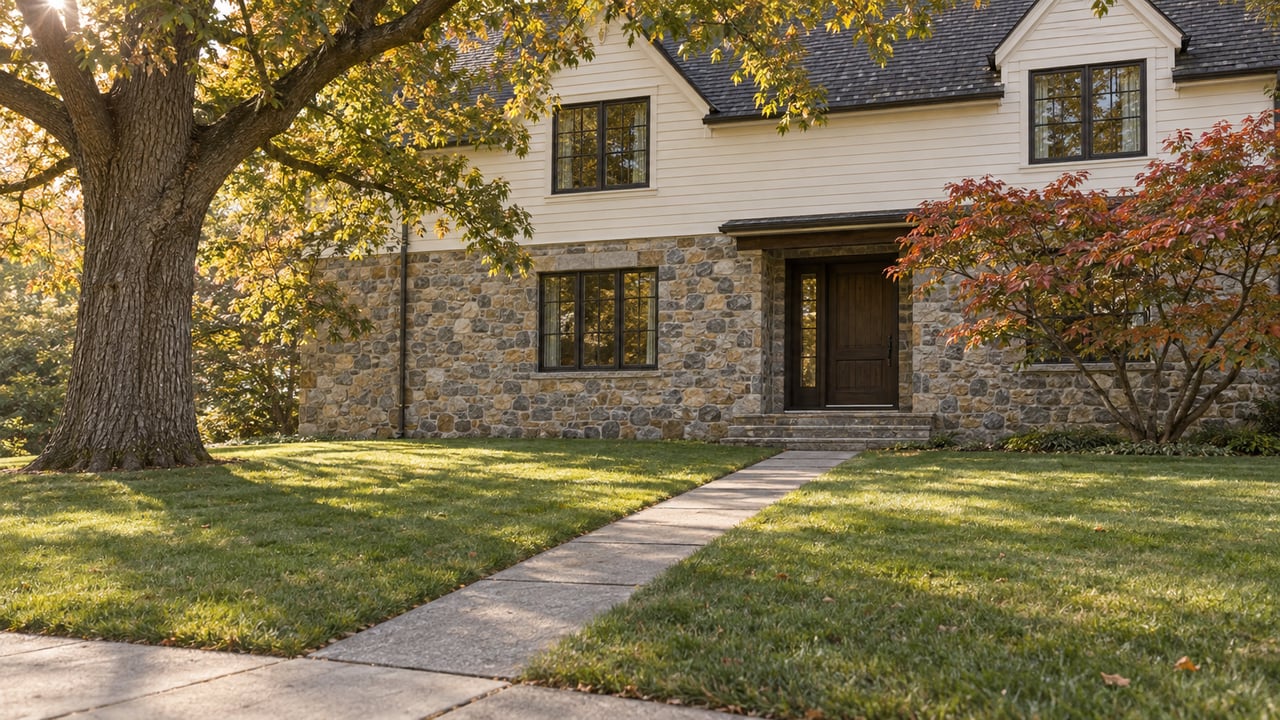
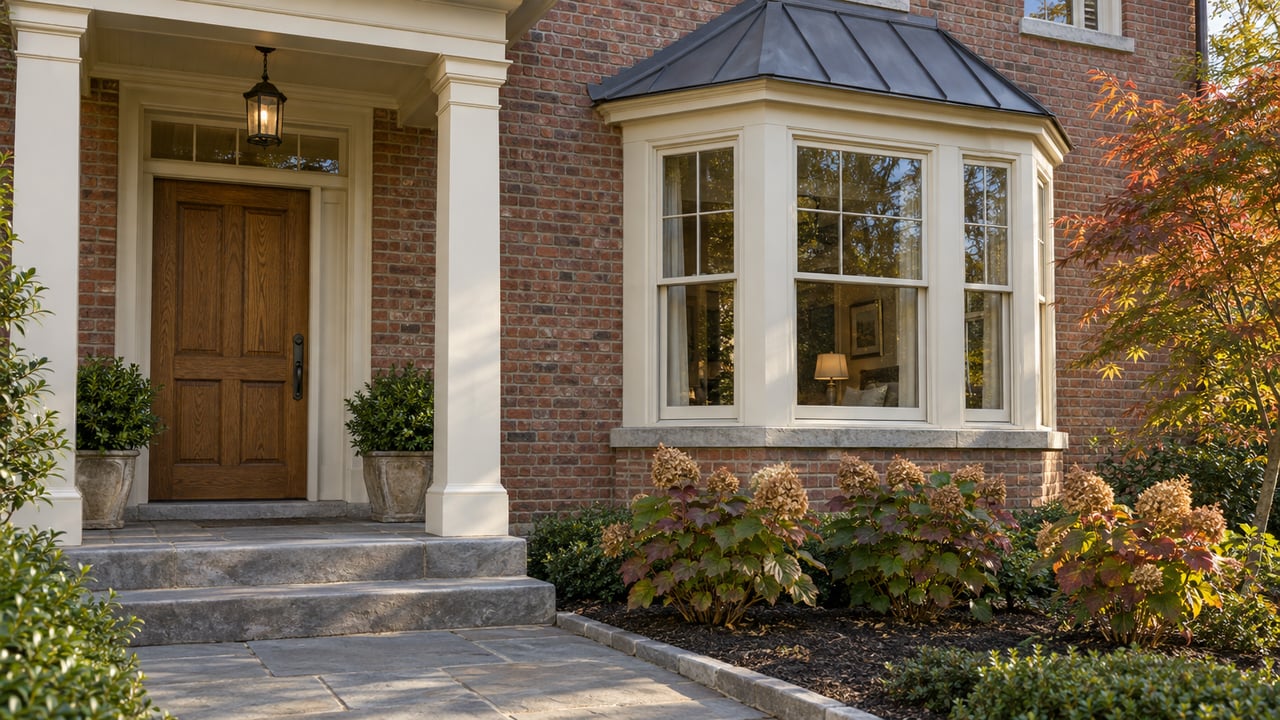
If you are comparing East Oreland with newer suburban options, the biggest difference is often feel. Here, the draw is mature trees, older detached homes, and blocks that look and function like long-established neighborhoods.
That can be a real advantage if you want a home in a place that already feels formed. Many buyers find that easier to picture as a long-term move.
Local guidance matters in established neighborhoods
In older housing markets, no two homes are exactly alike. Condition, updates, lot characteristics, and location within the neighborhood can all influence value.
That is why experienced local guidance can make such a difference. When you are evaluating East Oreland, you want a clear understanding of how housing character, location, and market timing come together.
If you are considering a move in Oreland or anywhere in the surrounding Montgomery County suburbs, working with an experienced local advisor can help you weigh the tradeoffs and move with confidence. Diane Reddington brings decades of market knowledge, strong negotiation, and highly managed client service to buyers and sellers across the area.
FAQs
What kind of homes are common in East Oreland?
- East Oreland is best known for older detached single-family homes, with much of the surrounding Springfield Township housing stock dating to the 1940s, 1950s, and 1960s.
How do commuters travel from East Oreland to Philadelphia?
- Oreland Station on SEPTA’s Lansdale/Doylestown Line provides rail access to Center City Philadelphia, including Jefferson Station, Suburban Station, 30th Street Station, and Penn Medicine Station.
What parks are near East Oreland for daily use?
- Nearby options include Henry R. Chiaramonte Children’s Park, Connor James McKelvie Community Park, Sandy Run Park, and additional township parks such as Marlow Field and James A. Cisco Park.
What makes East Oreland feel different from newer suburbs?
- East Oreland stands out for its established residential pattern, mature blocks, older housing stock, and neighborhood-oriented lifestyle rather than newer large-scale development.
What local amenities support everyday life in East Oreland?
- Key amenities include the Springfield Township parks system, the Free Library of Springfield Township, nearby Fort Washington State Park, Morris Arboretum, and the Springfield Township Historical Society at the Black Horse Inn.